São João in Siolim, the monsoon feast I'd plan a trip around
Every 24 June, Siolim keeps its feast on the river: decorated boats on the Chapora, crowns of leaves and flowers, the leap into the wells and a good deal of rain.

On this page
In short
- São João is on 24 June every year, the feast of the birth of St. John the Baptist. In 2027 it falls on a Thursday.
- Siolim is its best-known home. The sangodd, a parade of decorated boats, comes down the Chapora to the creek opposite St. Anthony's Church, and in 2026 it began at 3:30 PM.
- Revellers wear kopels, crowns of flowers, leaves and fruit, and the young leap into wells and streams, recalling how John leapt for joy in his mother's womb.
- It's also a feast of thanks for newly-weds and new parents, with baskets of monsoon fruit, sannas and feni.
- It falls in the monsoon, so I'd plan for rain and crowds, stay out of the water and come and go by taxi.
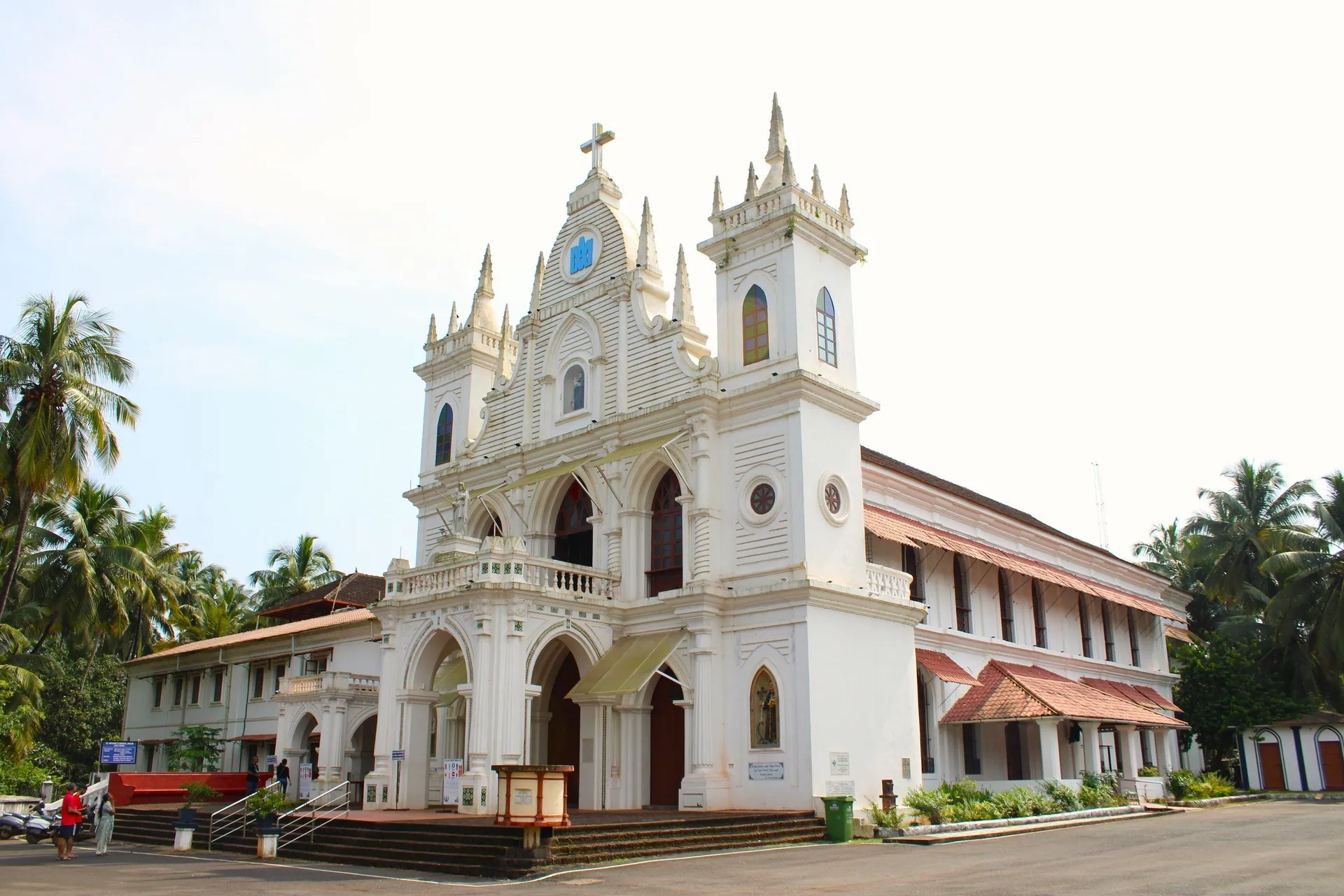
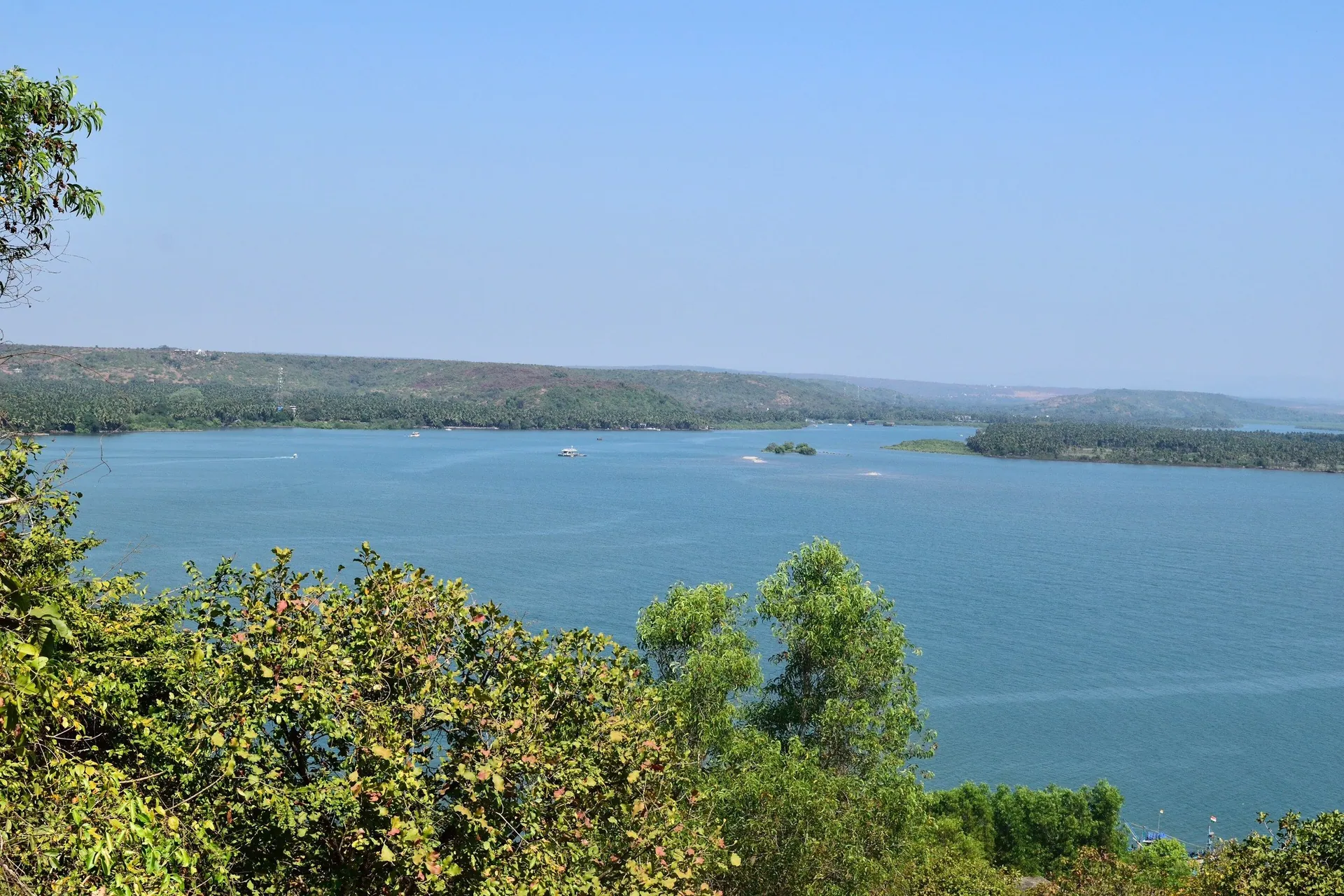
Every year on 24 June, Siolim takes its feast to the river. It's São João, the feast of the birth of St. John the Baptist, and the day the village is best known for. Groups from Siolim and its neighbours bring decorated boats down the Chapora to the creek opposite St. Anthony's Church. People wear kopels, crowns of flowers and leaves, and the young jump into wells and streams filled by the first monsoon rains.
It's one of Goa's best-known celebrations, and for a day a quiet village fills with thousands of people. I host guests in Siolim, and the guide I give them puts it simply: on 24 June, São João fills the river. Here is what the feast means, how the day runs and how to enjoy it as a good guest.
What São João celebrates
São João is Portuguese for St. John. The Gospel tells how, when Mary visited Elizabeth, the unborn John leapt for joy in his mother's womb, and Goa remembers that leap by jumping into wells, ponds and streams. The jump also recalls John baptising Jesus in the river Jordan.
The feast falls as the monsoon sets in, when the wells fill and the fields turn green, so it has long been a celebration of the rains as much as of the saint. It's a feast of thanksgiving too, for newly-weds and for families with a new baby.
The sons-in-law have a custom of their own. A newly married man is invited to lunch by his wife's family, and his mother-in-law gives him an ojem, a bamboo basket of fruit and sweets, which he shares with the village. I love that the feast makes room for that kind of thanks.
- Kopels: crowns of flowers, leaves and fruit. Many use sanjuachi vaal, a creeper with small red flowers found in wells in the early monsoon.
- The leap: after morning Mass, young revellers jump into village wells, ponds and streams.
- The table: sannas (steamed rice cakes) and patoleos (coconut and jaggery wrapped in turmeric leaves), with jackfruit, mango, pineapple and feni.
- The songs: groups sing to the ghumot and other instruments, and traditionally went from house to house, thanked with fruit and a drink.
The sangodd: boats on the Chapora
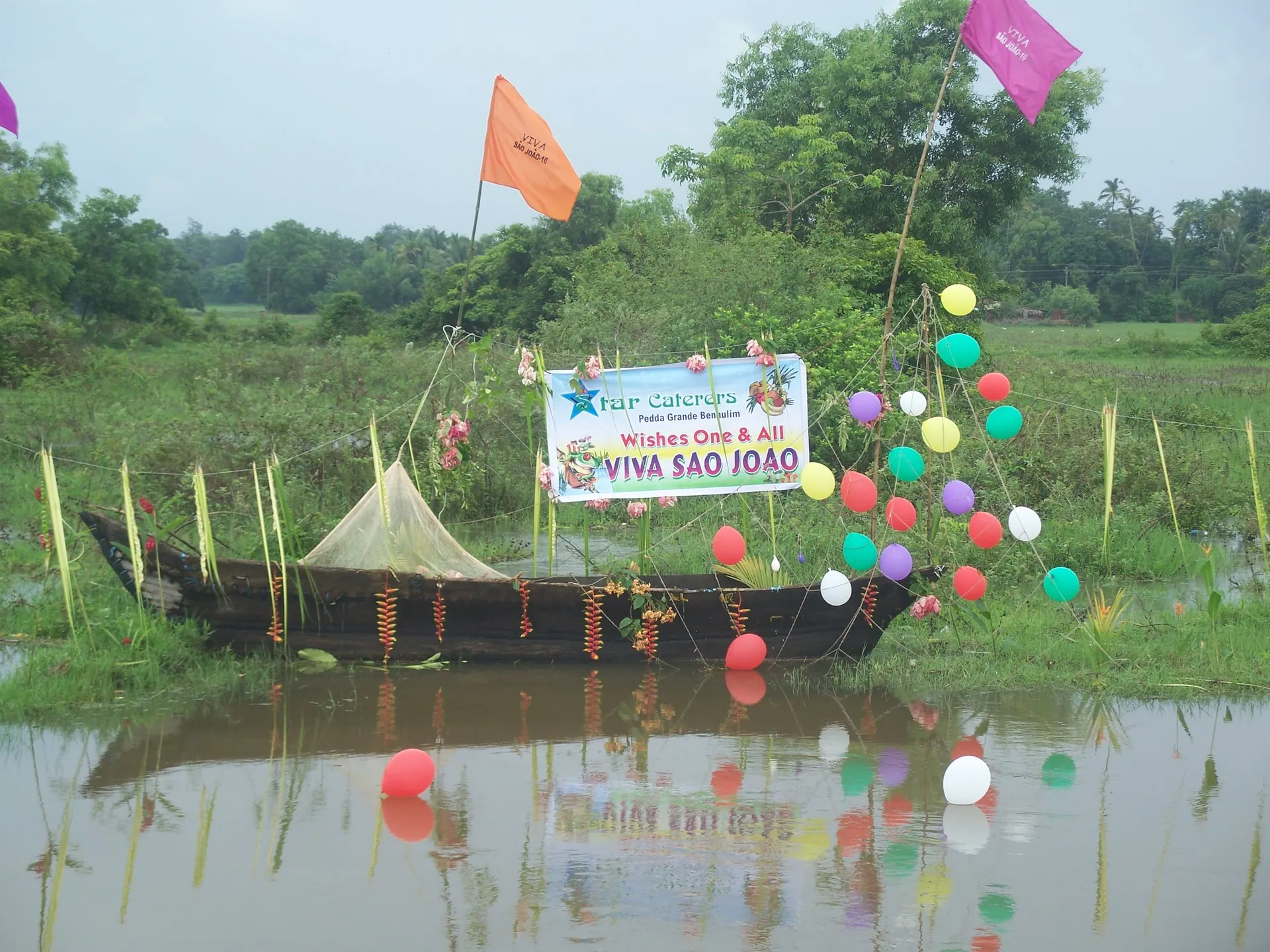
Siolim keeps its feast on the river. Groups from Siolim and neighbouring villages, among them Vagator, Chapora, Anjuna, Badem and Assagao, decorate boats and bring them down the Chapora to the creek opposite St. Anthony's Church. The decorations lean on flowers and nature, and some boats take on social themes. There are prizes for the best kopels.
The idea of the sangodd is old. Goa Tourism describes Baga's version as two boats tied together with bamboo, a sign of the union of body and soul. Siolim's river parade grew, by one account, from people of nearby villages coming to Siolim by boat to pay homage at a chapel in Pereira Vaddo.
A river full of boats and banks full of people: it's the sight I'd plan a trip around.
| What | Details |
|---|---|
| Date | 24 June every year; a Thursday in 2027 |
| Where | On the Chapora, at the creek opposite St. Anthony's Church |
| Boat parade | Began at 3:30 PM in 2026, and around 3:30 PM in 2023; check nearer the day |
| What to wear | A kopel if you like, a rain jacket and shoes that can get wet |
| Getting there | By taxi; Uber and Ola don't operate in Goa, so use GoaMiles |
| Crowds | Thousands of people in 2026; arrive early |
How the day unfolds
Every family and village keeps the day a little differently, but in Siolim it tends to run like this.
São João in Siolim, in order
- MorningMass, then the leap: young revellers in kopels jump into wells, ponds and streams around the village.
- MiddayFamily lunches, where sons-in-law are welcomed with sannas, pork vindaloo and fruit.
- AfternoonThe sangodd comes down the Chapora to the creek opposite St. Anthony's Church. In 2026 the parade began at 3:30 PM.
- EveningStalls of Goan food, live music by the river and songs from tiatrists and local artists.
If you can give it only part of the day, I'd give it the afternoon. Find a place on the bank early, watch the boats come in and stay on for the music.
How to be a good guest on the day
São João is a village feast and a religious one. Visitors are part of it now, and in 2026 the Union Minister of State for Tourism opened the celebrations, but the day still belongs to the families of Siolim.
A kopel is the easiest way to join in. Buy one from a local florist, or make your own from monsoon flowers and leaves.
The monsoon side of São João
São João comes just after the monsoon arrives, so plan for rain, sometimes heavy, and for a day spent damp and happy. I'd take the rain as part of the feast, because it is: it fills the wells the young leap into.
For the rest of the rainy season, and what stays open, see things to do in Goa in the monsoon. Taxis and buses are in getting around Goa.
São João beyond Siolim
Siolim's is the best known, but São João is kept across Catholic Goa, and each village has its own way of doing it.
- Siolim: the river parade opposite St. Anthony's Church, the day's best-known event.
- Baga: a sangodd of two boats tied with bamboo, which Goa Tourism describes moving towards Arpora before returning home.
- Benaulim, Anjuna, Assolna and Pilerne: named by Gomantak Times among the villages with big celebrations.
Come to Siolim at another time of year and the river is still there, and so are the dinners on it. Things to do in Siolim has the rest of the village, and my guide to Siolim has where it sits and who it suits.
But if you can, come on 24 June. Bring a rain jacket, buy a kopel and find a place on the bank. The boats come to you.
Questions people ask
Every year on 24 June, the feast of the birth of St. John the Baptist. In 2027 it falls on a Thursday. The day starts with Mass and the leap into wells, and the boat parade on the Chapora is in the afternoon.
In recent years it has started around 3:30 PM, in front of St. Anthony's Church: LetsGoa listed the 2026 parade from 3:30 PM, and Gomantak Times gave the same time in 2023. No 2027 timings had been published when I wrote this, so check nearer the day.
A decorated float built on boats for São João. Goa Tourism describes Baga's sangodd as two boats tied together with bamboo, signifying the union of body and soul. In Siolim, groups from the village and its neighbours bring their decorated boats down the Chapora to the creek opposite St. Anthony's Church.
A crown of flowers, leaves and fruit worn on São João. Many are made with monsoon flowers and sanjuachi vaal, a creeper with small red flowers found in wells early in the rains. Buy one from a local florist, or make your own.
To recall the moment the unborn John the Baptist leapt for joy in his mother Elizabeth's womb when Mary visited her. The jump also recalls John baptising Jesus in the Jordan. It's traditionally done after morning Mass. I'd watch rather than jump.
Yes. In 2026 thousands of visitors joined in, and the Union Minister of State for Tourism opened the celebrations. Come respectfully, expect rain and crowds, stay out of the water and travel by taxi.
Sources and checks
- The House of Nivak guest guide (facts checked 27 Sep 2026)
- Viva São João, 24 June 2026, Siolim, LetsGoa
- São João, Goa Tourism Development Corporation
- São João Festival in Goa, Wikipedia
- Celebrating Sao Joao the Goan way, The Goan (June 2022)
- A quick guide to Goa's Sao Joao festival, Gomantak Times (June 2023)
- Thousands join Sao Joao festival in Goa's Siolim village, ThePrint (24 June 2026)
- Residents, tourists asked to avoid water bodies amid rising drownings, The Goan (30 July 2026)
Opening days, prices and seasonal rules change. I check them before every update; please confirm anything time-sensitive before you go.