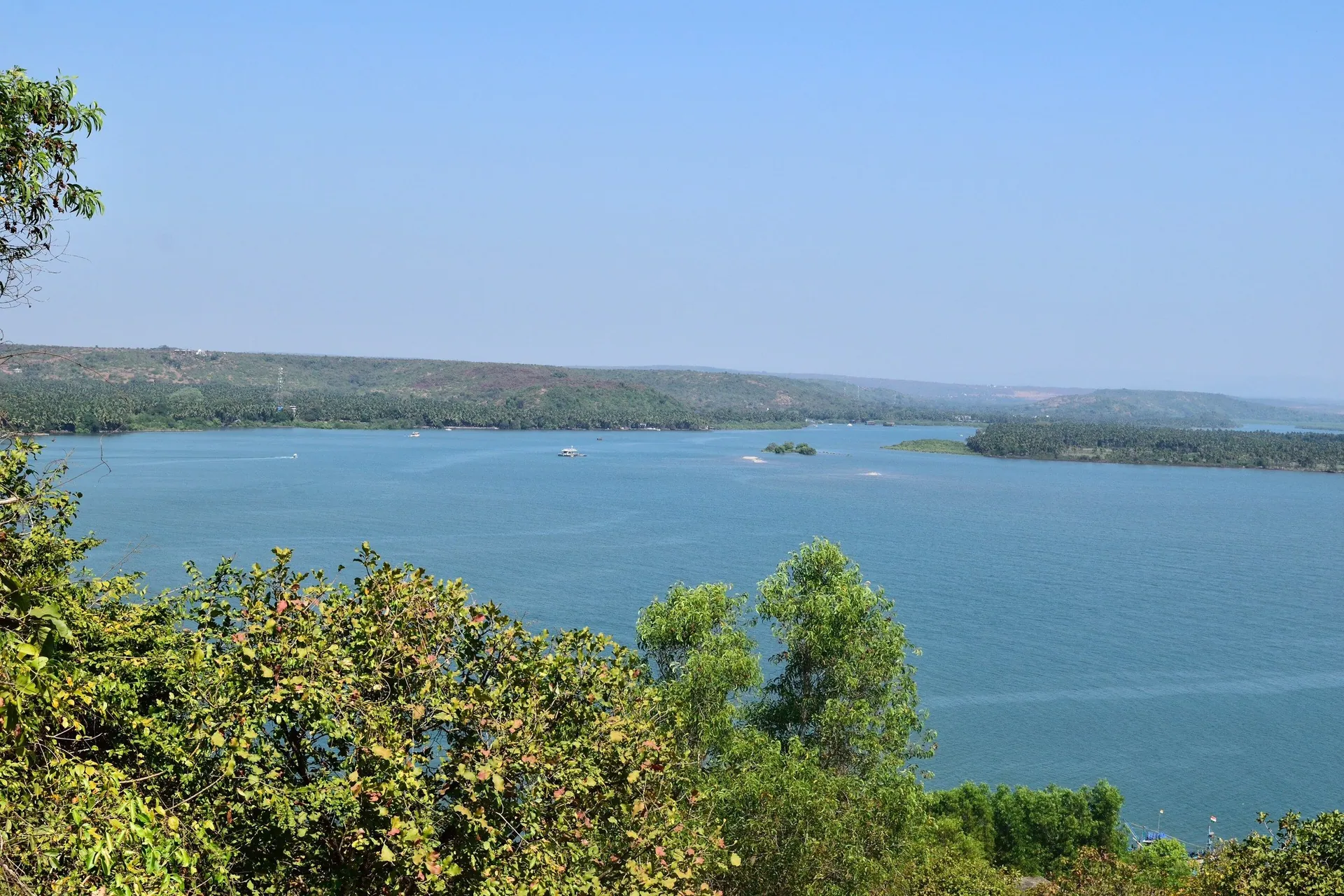
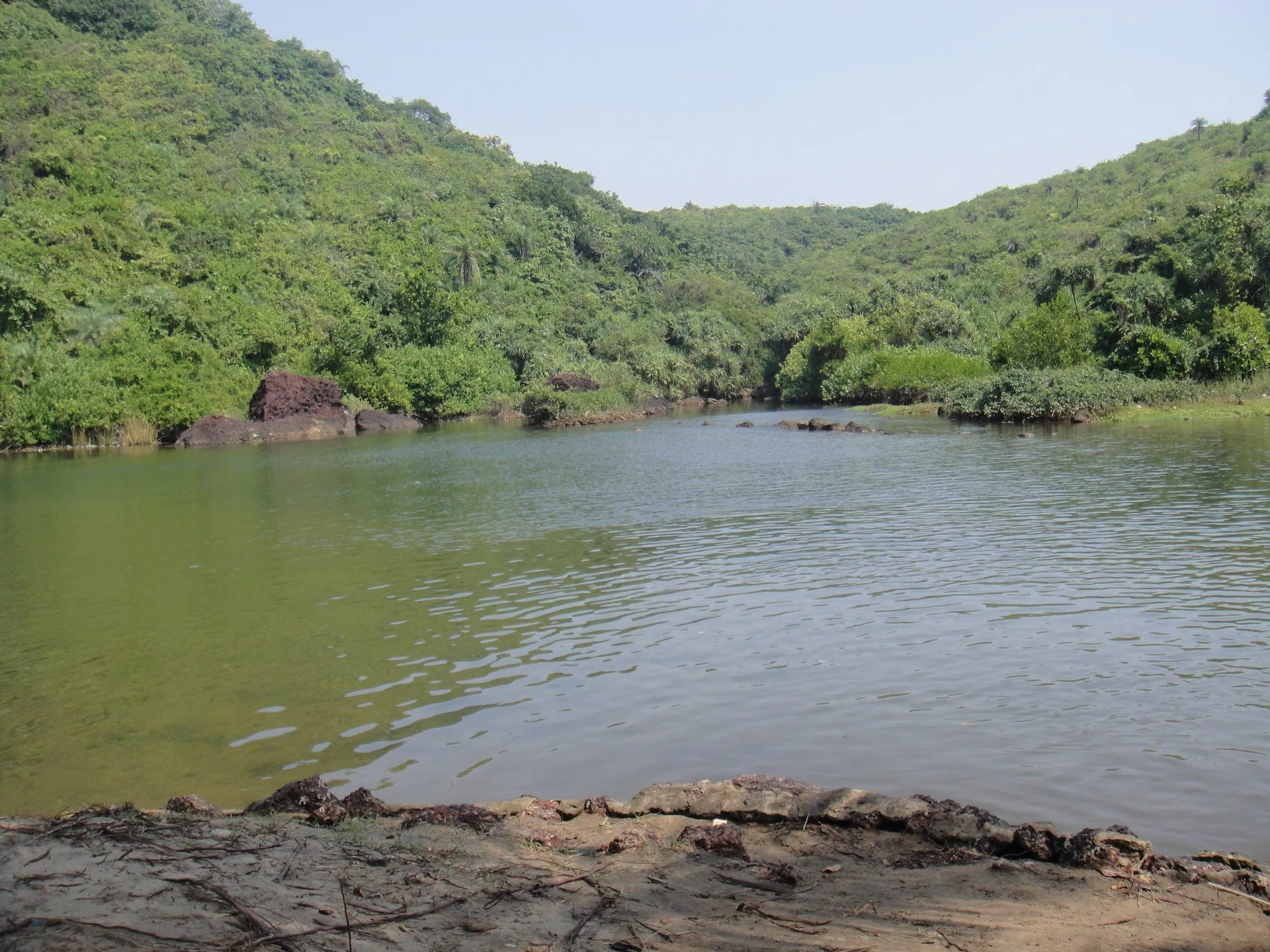
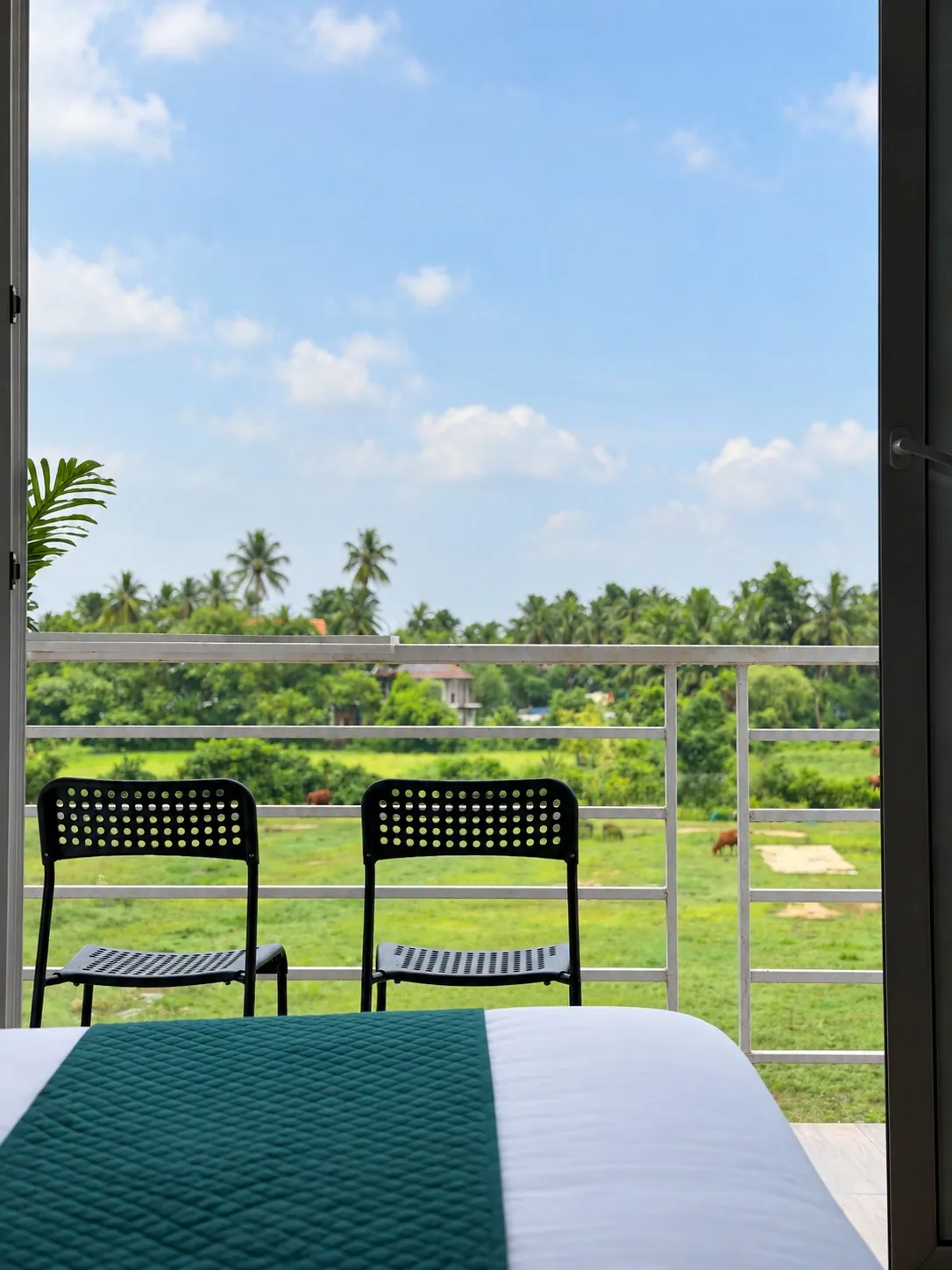
Places to visit in North Goa when you're ready to leave the beach
Laterite forts on the river mouths, villages of old mansions and roads lined with coconut palms: the North Goa I tell guests to see slowly, by scooter, with plenty of stops.

On this page
In short
- North Goa's sights beyond the sand are its forts: Chapora above the river mouth at Vagator, Fort Aguada (1612) at Sinquerim, Tiracol at the northern tip and little Corjuem (1705) on a river island near Aldona.
- Chapora Fort is being restored until about December 2026, and entry can close around 5:30 PM, so I'd go in the late afternoon rather than for sunset.
- Inland are the villages: Assagao for long lunches and Parra's palm-lined road for the early light. Aldona and Moira have old houses and quiet roads.
- Mapusa market is open daily and liveliest on Fridays. The Museum of Goa in Pilerne opens Tuesday to Sunday, 10 AM to 6 PM, with adult tickets at Rs 300.
- A scooter is the local way round, with a licence and a helmet. Uber and Ola don't operate in Goa, so book taxis on GoaMiles.
The places to visit in North Goa beyond the beaches are its forts, its river villages and its market town. Chapora and Aguada watch the sea, Tiracol stands at the northern tip and Corjuem sits on a river island inland. Between them lie Assagao, Parra, Aldona and Moira, with Mapusa's market on a Friday and the Museum of Goa for the hottest hours.
They're spread out, so group them by area and go slowly, by scooter, with plenty of stops. I opened my first home, Rivara, in Siolim, almost in the middle of the north: from there the villages are a short drive and Tiracol a longer one. This is how I'd see them. For the sand itself, see the best beaches in Goa.
The forts, from the river mouths to the northern tip
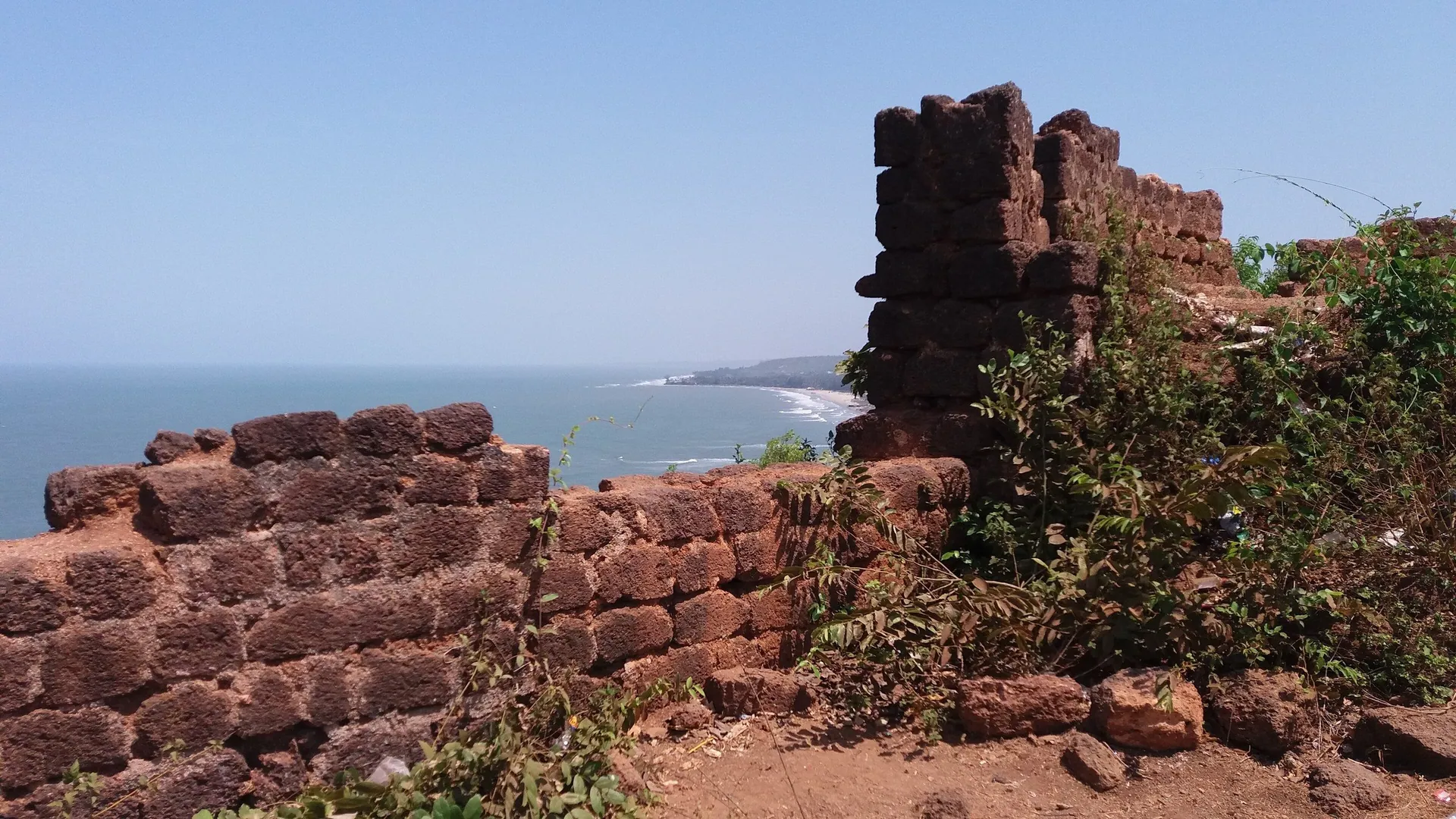
Goa's forts were built to watch the rivers and the sea, so most of them stand where a river meets the coast. Most are built of laterite, the red stone of this coast, and they're at their best first thing in the morning or in the late afternoon, when the heat lets up. Don't try one at noon.
Start with Chapora, high above the mouth of the river at Vagator. Its laterite ramparts look across the water to Morjim and back upriver towards Siolim, and that second view is the one I'd climb for. It was first built under the Adil Shahi rulers and repaired by the Portuguese, who added bastions and a tunnel in 1717. The film Dil Chahta Hai (2001) gave it new fame.
Chapora is being restored until about December 2026, and entry can close around 5:30 PM. Go in the late afternoon, well before sunset.
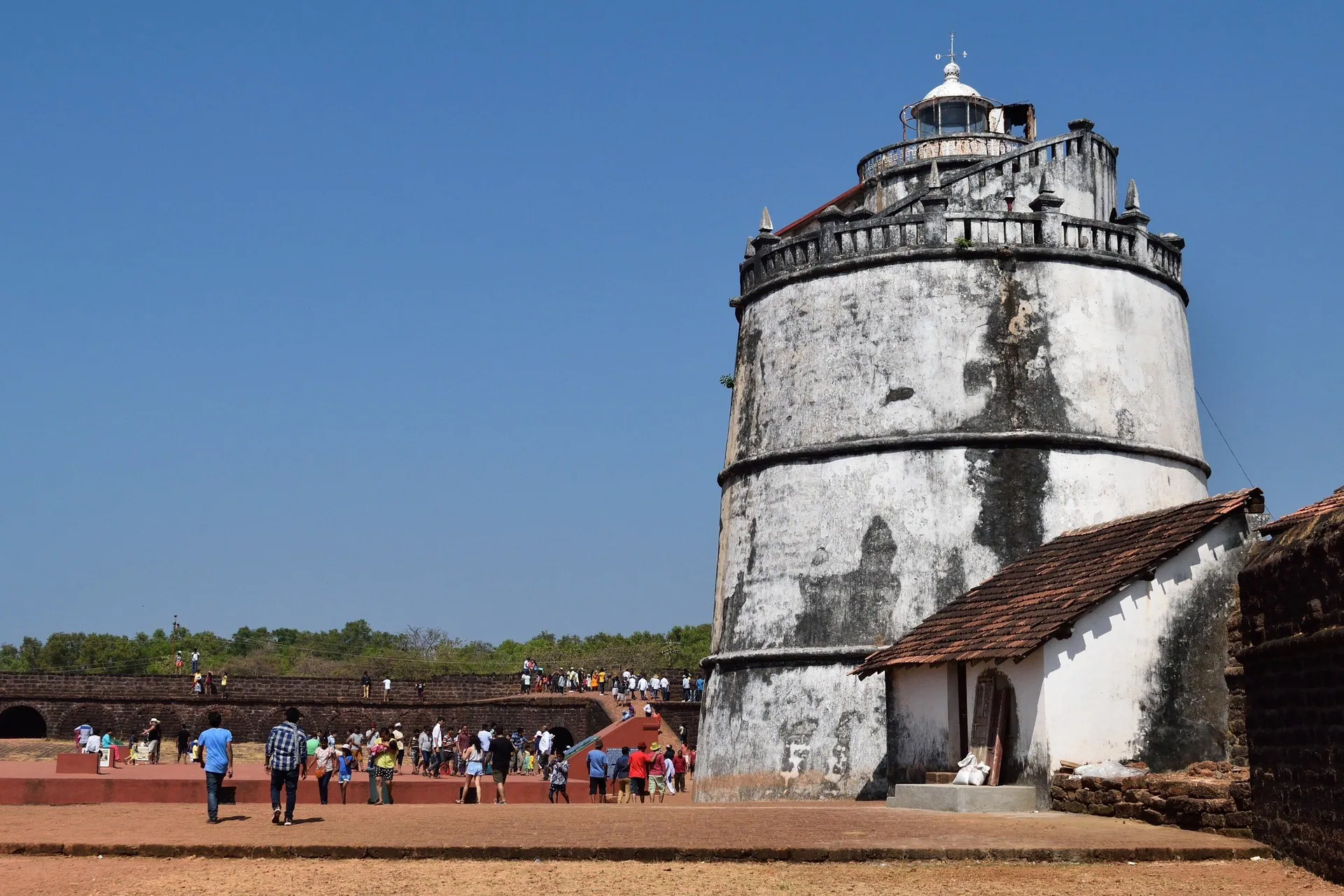
Fort Aguada, at Sinquerim near Candolim, is a Portuguese fort of 1612 at the mouth of the Mandovi, named for the freshwater spring that once supplied passing ships. Its lighthouse of 1864 is one of the oldest in Asia, and the old Aguada jail inside the fort is now a museum of Goa's freedom struggle. Pair it with Candolim's long, calmer beach, and check timings before you go.
Tiracol is the far one, at Goa's northern edge above the mouth of the Tiracol river, with long views down the coast. It was built by the Raja of Sawantwadi and taken by the Portuguese in 1746, and on 15 August 1954 satyagrahis flew the Indian flag there for a day. Today it's a heritage hotel with the Church of St. Anthony inside its walls. Cross from Querim on the state ferry, free for foot passengers, and check what's open to visitors before you go.
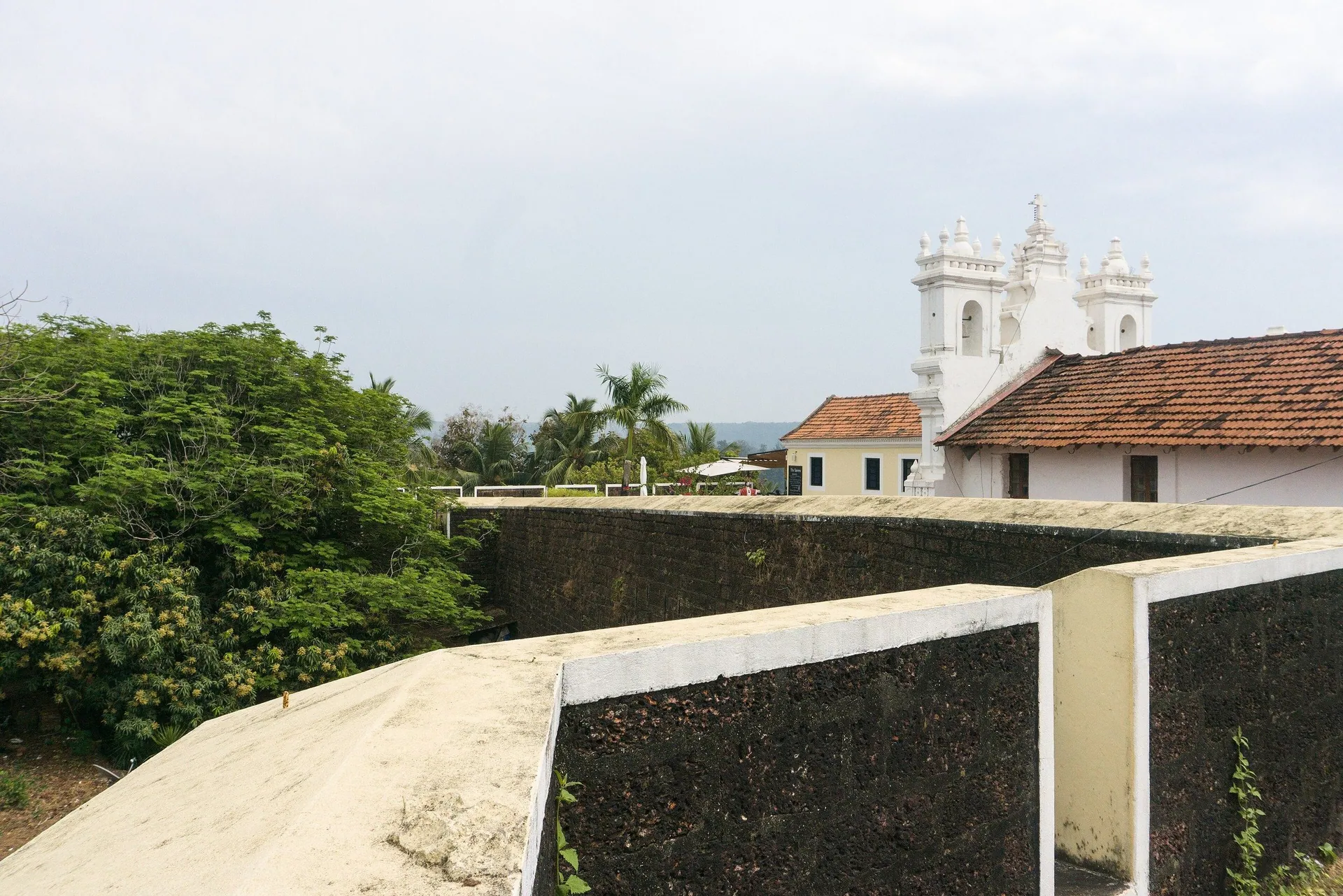
Corjuem is the small one: pitted laterite, built in 1705 on Corjuem island, about 4 km from Aldona across the Mapusa river. It's one of only two inland forts still standing in Goa, and it has been under restoration by the state's Directorate of Archaeology, so check it's open before you ride out.
| Fort | Go for | Know before you go |
|---|---|---|
| Chapora, Vagator | River-mouth views and the Dil Chahta Hai walls | Restoration until about Dec 2026; entry can close around 5:30 PM |
| Aguada, Sinquerim | The 1612 fort, the 1864 lighthouse and the jail museum | Check timings |
| Tiracol, the northern tip | Views down the coast, and the ferry ride there | Now a heritage hotel; check access |
| Corjuem, near Aldona | A quiet inland fort on a river island | Check it's open |
One more, if you're heading to Panjim: across the Mandovi at Verem, the restored Reis Magos Fort has wide views over the river. It belongs to a day in Panjim.
Villages worth a slow afternoon
Between the forts are the villages that make the north feel lived-in: old houses, chapels, palm-lined roads and the river never far away. They're homes, not sets, so look from the lane and ask before photographing people.
Assagao
Leafy lanes, restored mansions, small galleries and some of North Goa's most loved restaurants: Gunpowder for South Indian and coastal cooking, The ASSA House for a French bistro and Jugnu for Indian dishes with a global twist.
Book dinner ahead, and end the night at Loulou, the speakeasy above The ASSA House.
Parra's palm road
A straight village road lined with tall coconut palms, famous since Shah Rukh Khan and Alia Bhatt cycled down it in Dear Zindagi (2016). It's loveliest in the early light, before the traffic, so go early or not at all.
It's a working road that gets crowded: park in the marked spots, and keep off the tarmac for photos.
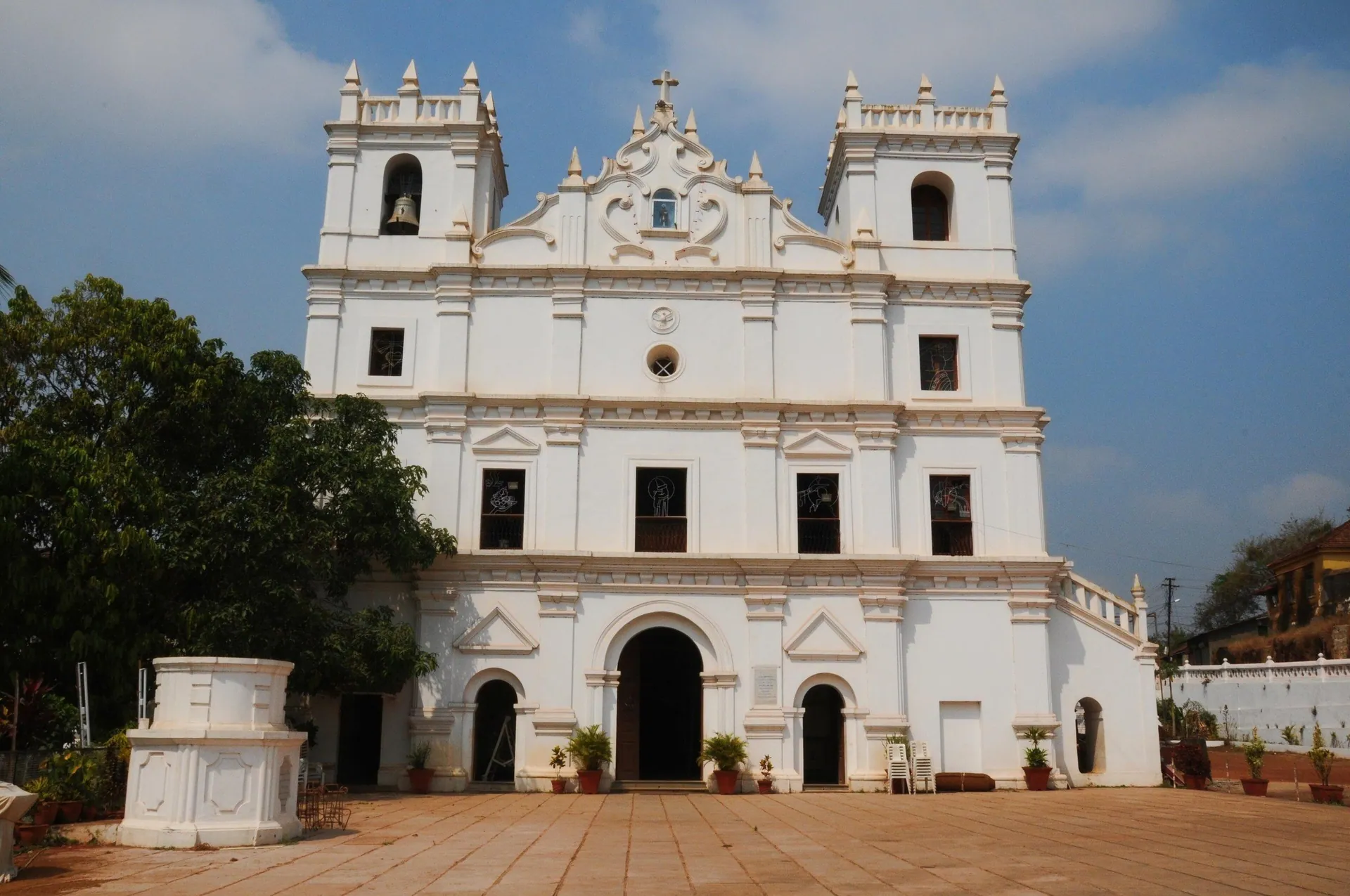
Aldona and Moira
Grand old houses, chapels and quiet roads, for an unhurried scooter afternoon. Aldona is also the way to Corjuem Fort, across the river on its island.
Cover shoulders and knees if you step into a chapel, and carry water.
Photo: CNDesa, CC BY-SA 3.0, via Wikimedia CommonsArt and markets
Two stops for the middle of the day, when the forts are too hot: one indoors and cool, and one best in the morning, before the heat builds.
Museum of Goa
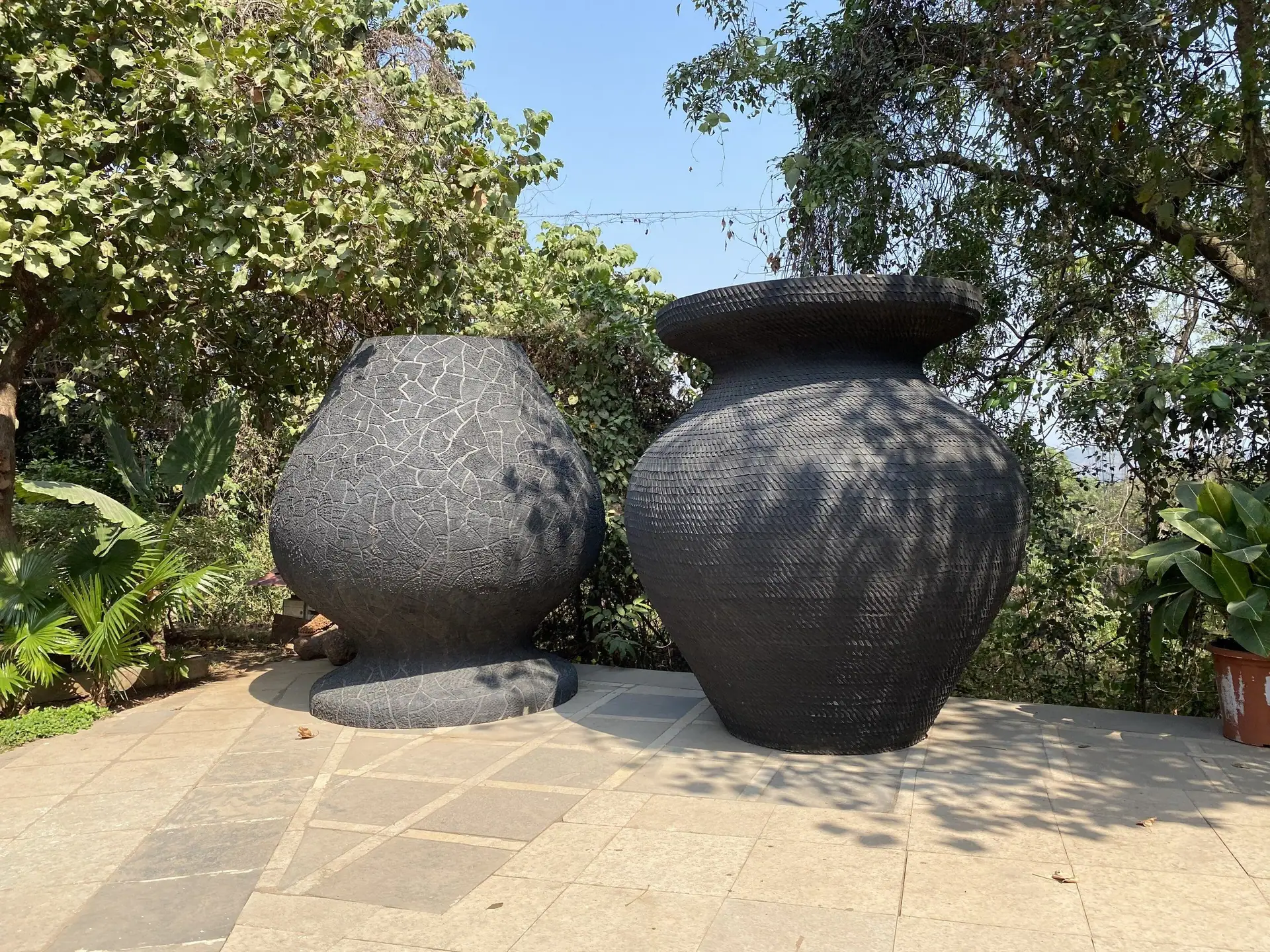
Contemporary art about Goa's history, landscape and people, founded by the artist Subodh Kerkar, with a café, a shop and a children's art studio. It's where I'd spend the hottest hours.
Tuesday to Sunday, 10 AM to 6 PM. Adults Rs 300, children and youth Rs 200, under-5s free.
museumofgoa.comPhoto: Vinayaraj, CC BY-SA 4.0, via Wikimedia Commons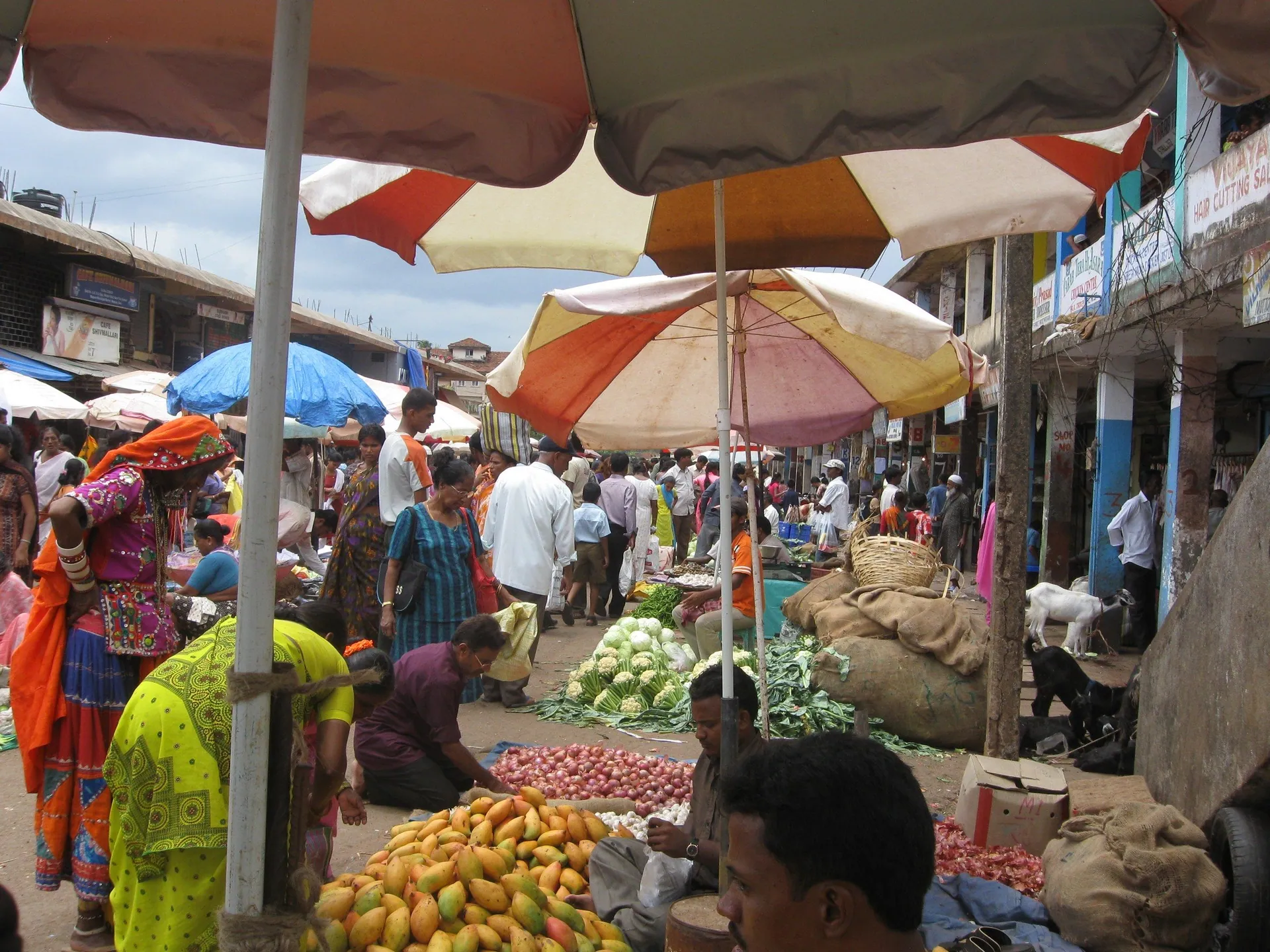
Mapusa market
Open every day and liveliest on Fridays, when vendors come in from the villages around North Goa's market town. Built in 1960 as Goa's first planned market, it sells spices, Goan chouriço sausages, cashews, fruit, pottery and straw hats.
Go in the morning with cash. There's more in the markets of Goa.
Photo: Aaron C, CC BY-SA 2.0, via Wikimedia CommonsTwo scooter loops, and a shorter third
These are loose shapes, not timetables. Both start from the middle of the north, around Siolim and Mapusa, and both leave room for a long lunch. With only one day, I'd choose the first, because it strings the palms, the river villages and Chapora into a single day.
Loop one: palms, river villages and a fort at the end of the day
- EarlyParra's palm road in the first light, before the traffic.
- MorningMapusa market, best on a Friday, for spices, fruit and chouriço.
- Late morningAldona and Moira for old houses and chapels, and across to Corjuem Fort if it's open.
- LunchA long lunch in Assagao.
- Late afternoonChapora Fort before entry closes around 5:30 PM, then down to Vagator for the sunset.
Loop two: the far north and the Tiracol ferry
- MorningOver the Siolim bridge and up the coast road through Morjim, Mandrem and Arambol.
- QuerimGoa's northernmost beach, backed by casuarinas, at the mouth of the Tiracol river.
- The ferryThe state ferry across the river, free for foot passengers, to Tiracol Fort and its views down the coast.
- SunsetBack to Arambol for the drum circle.
A third, shorter outing covers the south of the north: the Museum of Goa at Pilerne through the heat of the day, then Fort Aguada and Candolim's long beach in the late afternoon. For Querim, Sweet Water Lake and the quieter corners along loop two, see hidden places in Goa.
Practical notes
Village roads are narrow and dark at night, with cattle and dogs on them, so if you're new to riding here, plan to be home by dusk. Keep some cash for ferries and market stalls; UPI works almost everywhere else. Getting around Goa covers scooters, buses and the river ferries.
Start early, stop often and give the middle of the day to lunch. The forts have waited a few centuries. They'll wait while you finish.
Questions people ask
The forts of Chapora, Aguada, Tiracol and Corjuem; the villages of Assagao, Parra, Aldona and Moira; Mapusa's market, liveliest on Fridays; and the Museum of Goa in Pilerne. I'd group them by area and see them by scooter over two unhurried days.
Not at the moment. Chapora Fort is being restored until about December 2026, and entry can close around 5:30 PM, which is before sunset. Go in the late afternoon, then watch the sun go down from Vagator below.
It's a heritage hotel now, so what visitors can see may be limited. Check before you go. You reach it by the state ferry from Querim, free for foot passengers, and the long views down the coast are the reason to make the trip.
Mapusa's market is open every day, but Friday is the big day, when vendors come in from the surrounding villages. Go in the morning with cash, and look for spices, Goan sausages, cashews and fruit.
The Museum of Goa in Pilerne opens 10 AM to 6 PM from Tuesday to Sunday and closes on Mondays. Adults pay Rs 300 and children and youth Rs 200, while under-5s go free, according to the museum's website in September 2026.
Two unhurried days cover the main sights: one for Parra, Mapusa, the river villages and Chapora Fort, and one for the far north and Tiracol. Add a half-day for the Museum of Goa and Fort Aguada.
Sources and checks
- The House of Nivak guest guide (facts checked 27 Sep 2026)
- Museum of Goa, opening hours and tickets
- Chapora Fort, Wikipedia
- Fort Aguada, Wikipedia
- Fort Tiracol, Wikipedia
- Corjuem Fort, Wikipedia
- Querim, Wikipedia
- Mapusa Municipal Market, Wikipedia
- Dear Zindagi, give the coconut trees in Parra a break, Gomantak Times (Aug 2023)
Opening days, prices and seasonal rules change. I check them before every update; please confirm anything time-sensitive before you go.