The best beaches in Goa, by the kind of day you want
From Querim's casuarinas to Galgibaga's turtle sands: where I'd send you for a quiet swim, a sunset drum circle, a day of water sports or a slow few days south.

On this page
In short
- Goa's coast runs from Querim, at the Tiracol river, to Galgibaga in the far south, broken by rivers into stretches with moods of their own.
- For quiet, I'd go to Mandrem and Ashwem in the north or Agonda in the south; for a sunset with music, Arambol; for water sports and nightlife, Calangute and Baga, Goa's busiest beaches.
- Olive ridley turtles nest through the winter at Morjim, Agonda and Galgibaga.
- Swim only between the lifeguards' red and yellow flags. Red flags mean strong currents, and the sea is closed for swimming through the monsoon.
- Shacks, sunbeds and sea sports run from about October to May, and sea sports only from 8 AM to sunset, with operators registered with Goa Tourism.
The best beaches in Goa depend on the day you want. For a quiet swim in season I'd go to Mandrem or Ashwem, for a sunset to Arambol and for a slow few days to Palolem and Agonda in the far south. For water sports and a late night, it's Calangute and Baga. The quiet is at the two ends of the coast; the crowds are in the middle of the north.
Rivers break the coast into stretches, so think of it in pieces: the far north above the Chapora, the busy middle from Vagator to Candolim, a short city stretch at Panjim and the long south below the Zuari. I host guests at Rivara, on the Chapora in Siolim, and the guide I give them walks this coast from the top down.
The best beaches in Goa at a glance
Most of the choice comes down to how much company you want, and what you want to do in the water.
| If you want | Go to | Why |
|---|---|---|
| A quiet swim in season | Mandrem, Ashwem | Wide, calm, soft sand |
| A beach close to Siolim | Morjim | Across the Siolim bridge |
| Sunset and music | Arambol | The sunset drum circle |
| Cliffs and cafés | Vagator, Anjuna | Red cliffs, the Wednesday flea market in season |
| Water sports | Calangute to Candolim | Kiosks, October to May |
| Nightlife | Baga | Tito's Lane |
| Dolphins | Sinquerim | Boats from 7 to 9 AM |
| Diving | Bogmalo | Best December to February |
| Long walks | Majorda to Cavelossim | White sand, fishing villages |
| Kayaks and calm water | Palolem | A calm crescent bay |
| Turtles | Morjim, Agonda, Galgibaga | Olive ridleys nest in winter |
| The most space to yourself | Querim, Galgibaga | The coast's two far ends |
Which beach for a quiet day?
Cross the Siolim bridge and the coast goes quiet. The bridge lands you in Chopdem and Morjim, and from there the beaches run north through Ashwem, Mandrem and Arambol to Querim, where the Tiracol river meets the sea. The villages behind them are small, and the mood runs from quiet to bohemian.
For a swim in season, I'd choose Mandrem or Ashwem. Both are wide, calm and quiet, with soft sand and relaxed beach cafés. Morjim, the nearest to Siolim, is the one for a lazy afternoon.
Querim, at the very top, is the quietest of all, and the most sand you'll get to yourself in the north. It has no lifeguards, though, so treat it as a beach for walking.
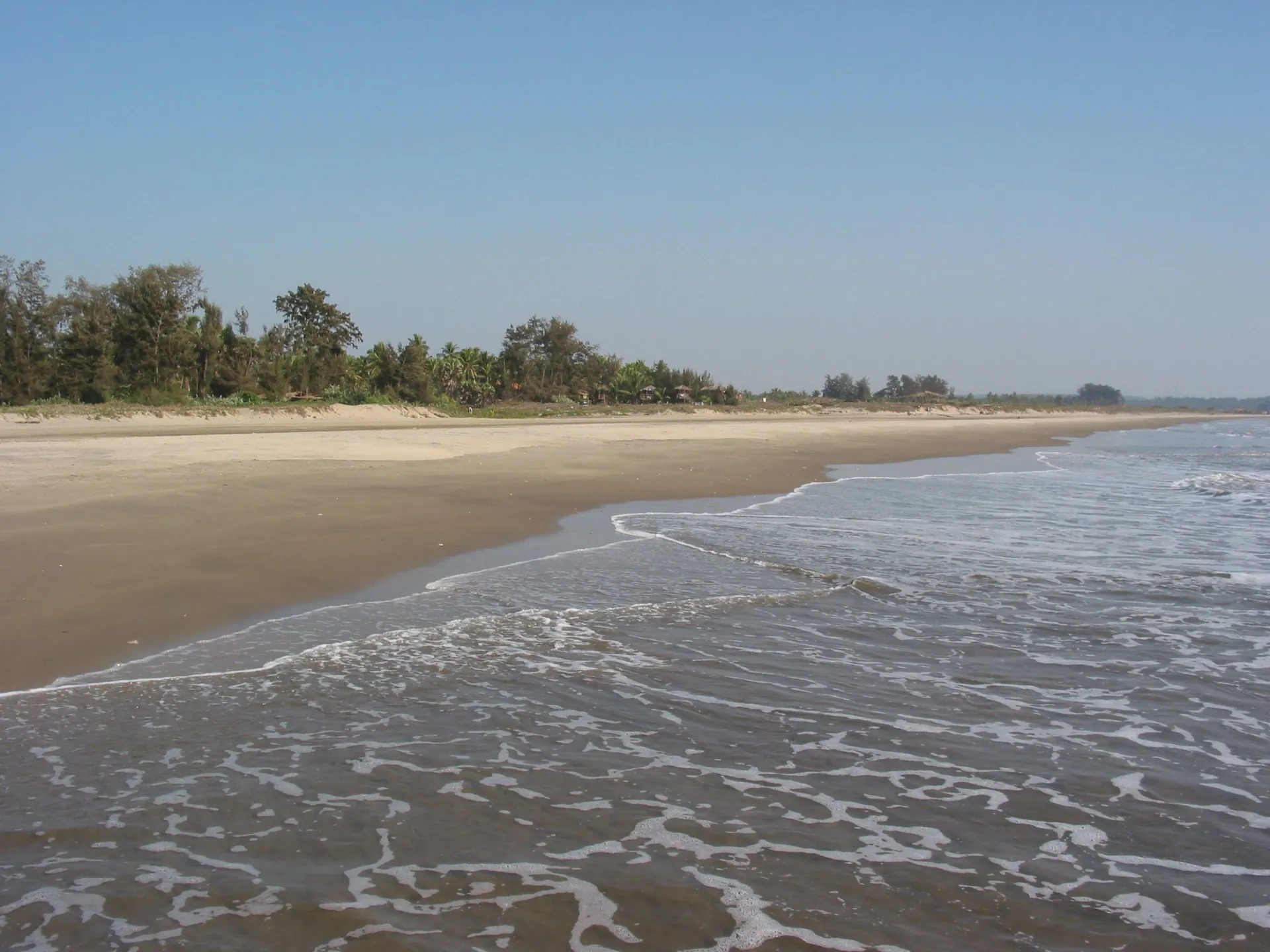
Morjim
Olive ridley turtles nest here in the cooler months, and it's where the north learns to kitesurf.
Kitesurfing is best from February to May; beginners need about three days with a certified school.
Photo: Agyar, CC BY-SA 3.0, via Wikimedia Commons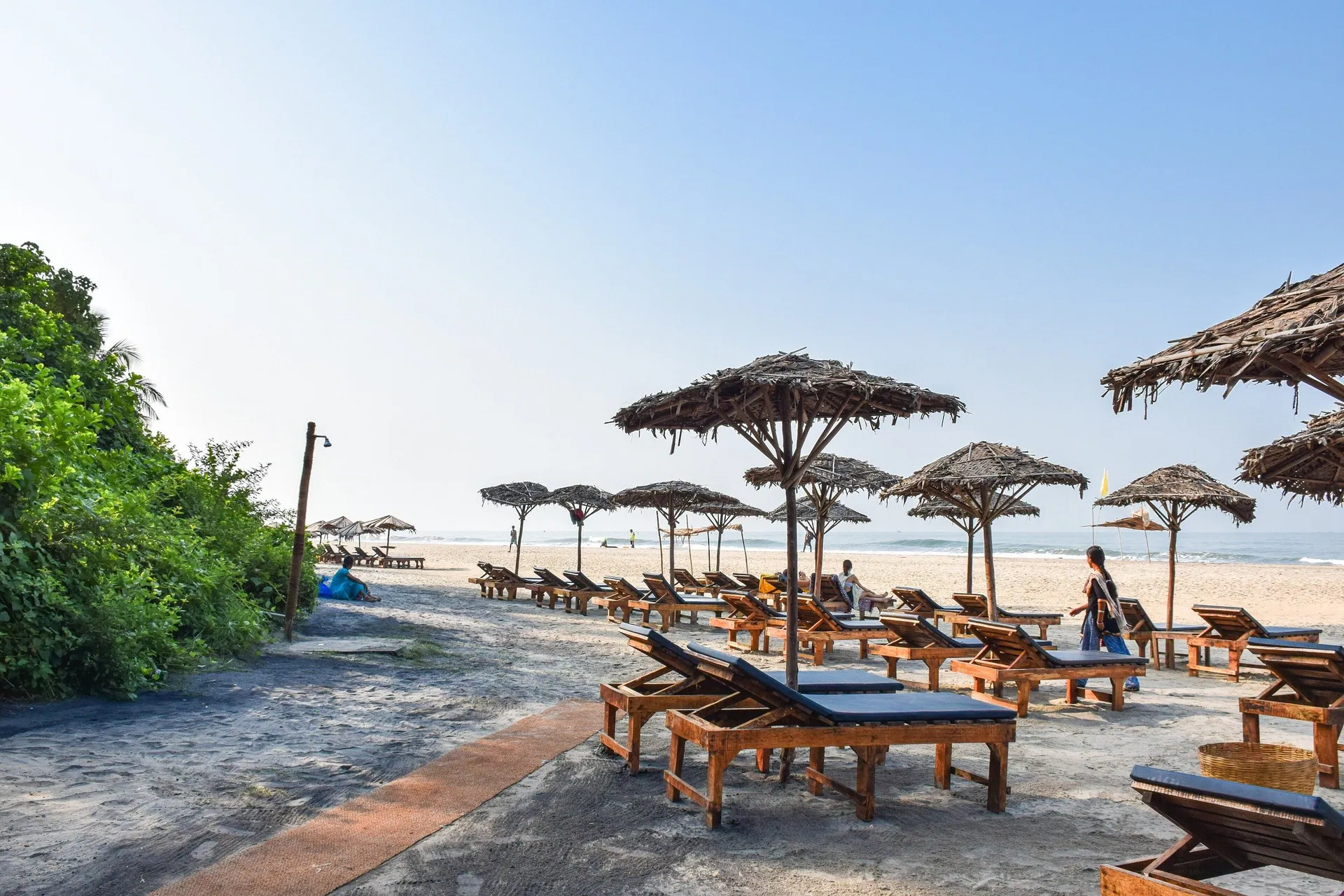
Ashwem
Soft sand and beach cafés. La Plage, a long-running French beach restaurant between Ashwem and Morjim, closes on Wednesdays.
Paddleboarding lessons run on calm mornings, October to April. Book a day ahead.
Photo: Raya Sharbain, CC BY-SA 4.0, via Wikimedia Commons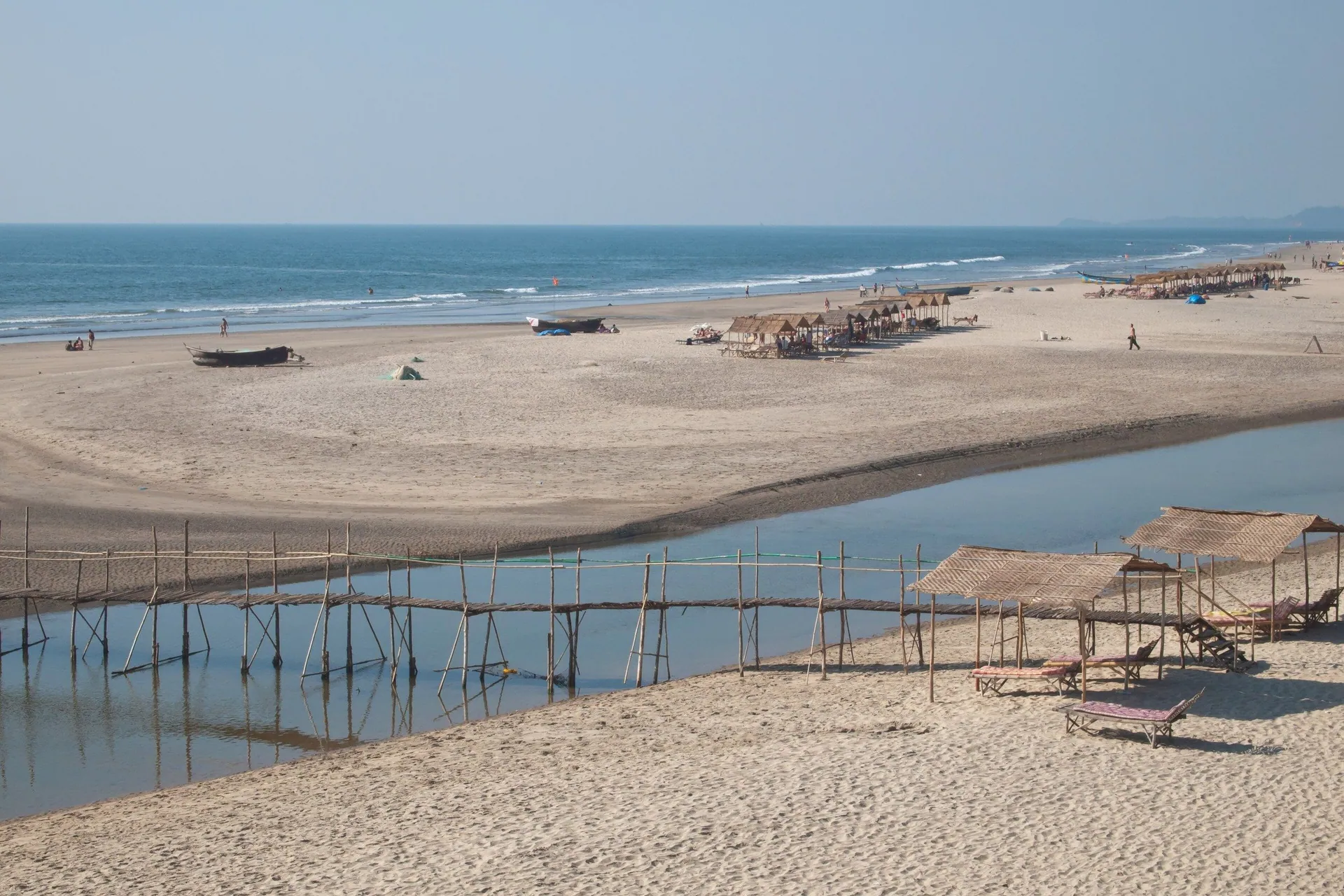
Mandrem
Wide, calm and quiet, with a river lagoon and soft sand. Good for yoga, a book and a swim in season.
Beginner surf lessons run on the quieter northern beaches, October to March, usually in the morning.
Photo: Vyacheslav Argenberg, CC BY 4.0, via Wikimedia Commons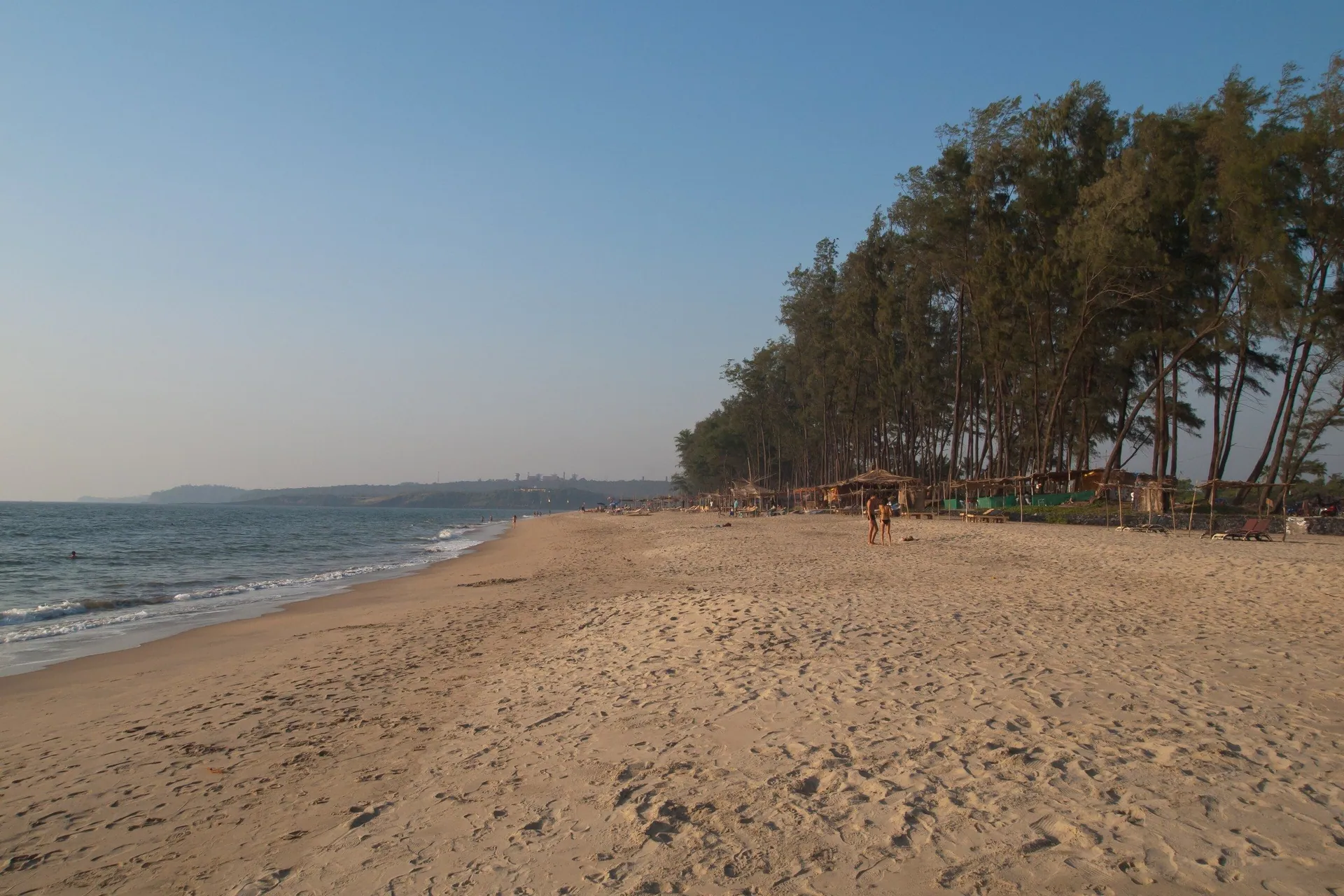
Querim
Goa's northernmost beach, backed by casuarinas at the mouth of the Tiracol river, with Tiracol Fort across the water.
No lifeguards. Keep out of the river mouth.
Photo: Vyacheslav Argenberg, CC BY 4.0, via Wikimedia CommonsA quiet-beach day, from my guest guide
- MorningCross the Siolim bridge and spend the morning on Morjim or Ashwem.
- LunchLunch at a café in Mandrem.
- SunsetGo on to Arambol for the drum circle at sunset.
Where to watch the sunset: Arambol, Vagator and Dona Paula
For a sunset with music, go to Arambol. It's bohemian and musical, with a drum circle at sunset. Come in the morning instead and you can walk over the rocks at its northern end to Sweet Water Lake, a spring-fed lake with jungle behind it.
South of the Chapora, Vagator and Anjuna sit under red laterite cliffs. They're where I'd go for sunsets, cafés and an evening out, but outdoor music stops at 10 PM in both, so late nights move indoors.
Between the Mandovi and the Zuari, Panjim has Miramar, its city beach, and Dona Paula, a headland with views where the rivers meet the sea: both for an evening walk at the end of a day in Panjim. At Dona Paula, Bar Outrigger is a rum and tiki bar with sunsets over the sea. It's closed on Tuesdays; book for sunset.
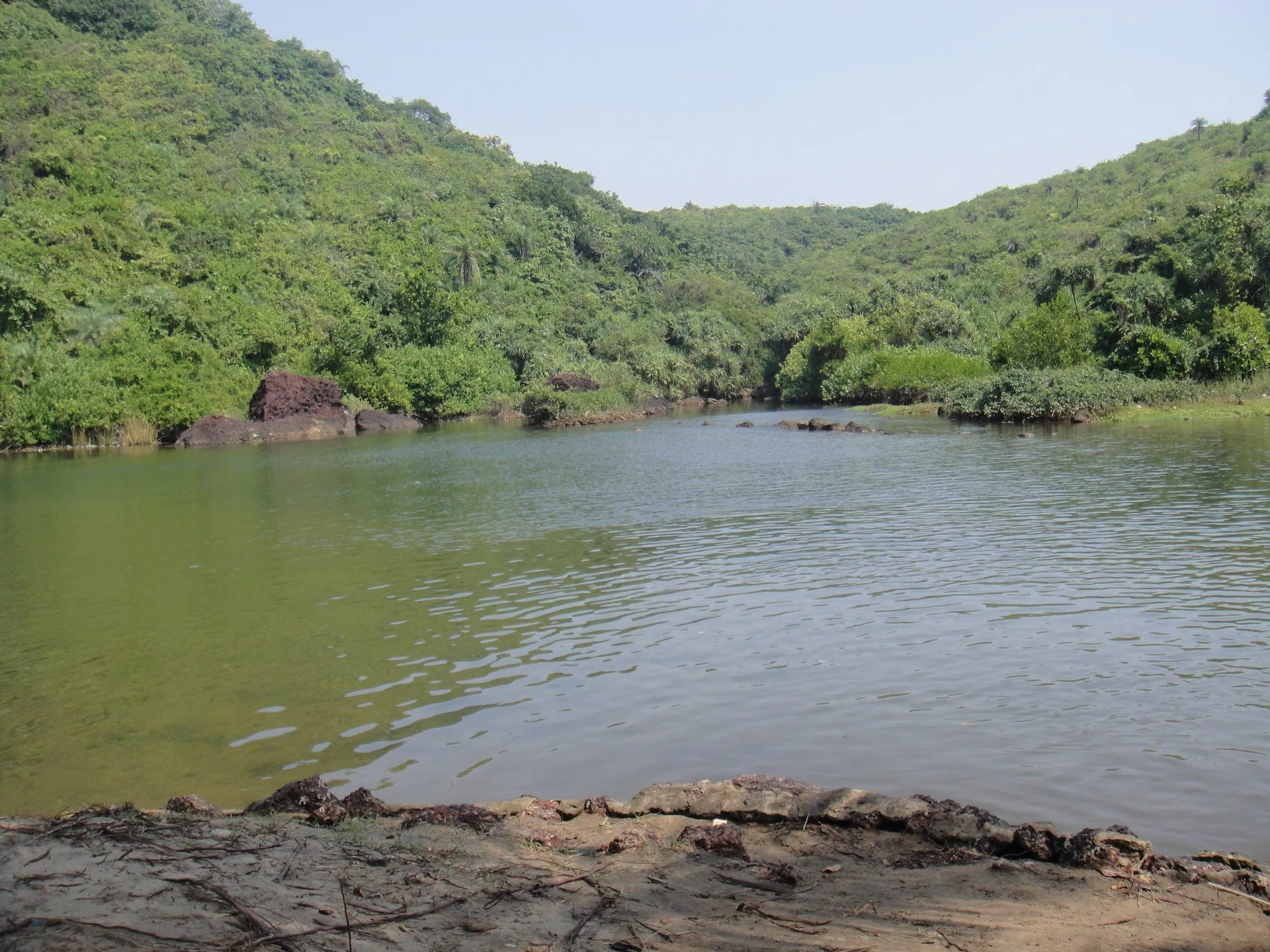
Arambol
A drum circle at sunset, and Sweet Water Lake just back from the beach at its northern end.
Walk over the rocks to the lake before 9 AM.
Photo: Kavita21sharma, CC BY-SA 4.0, via Wikimedia Commons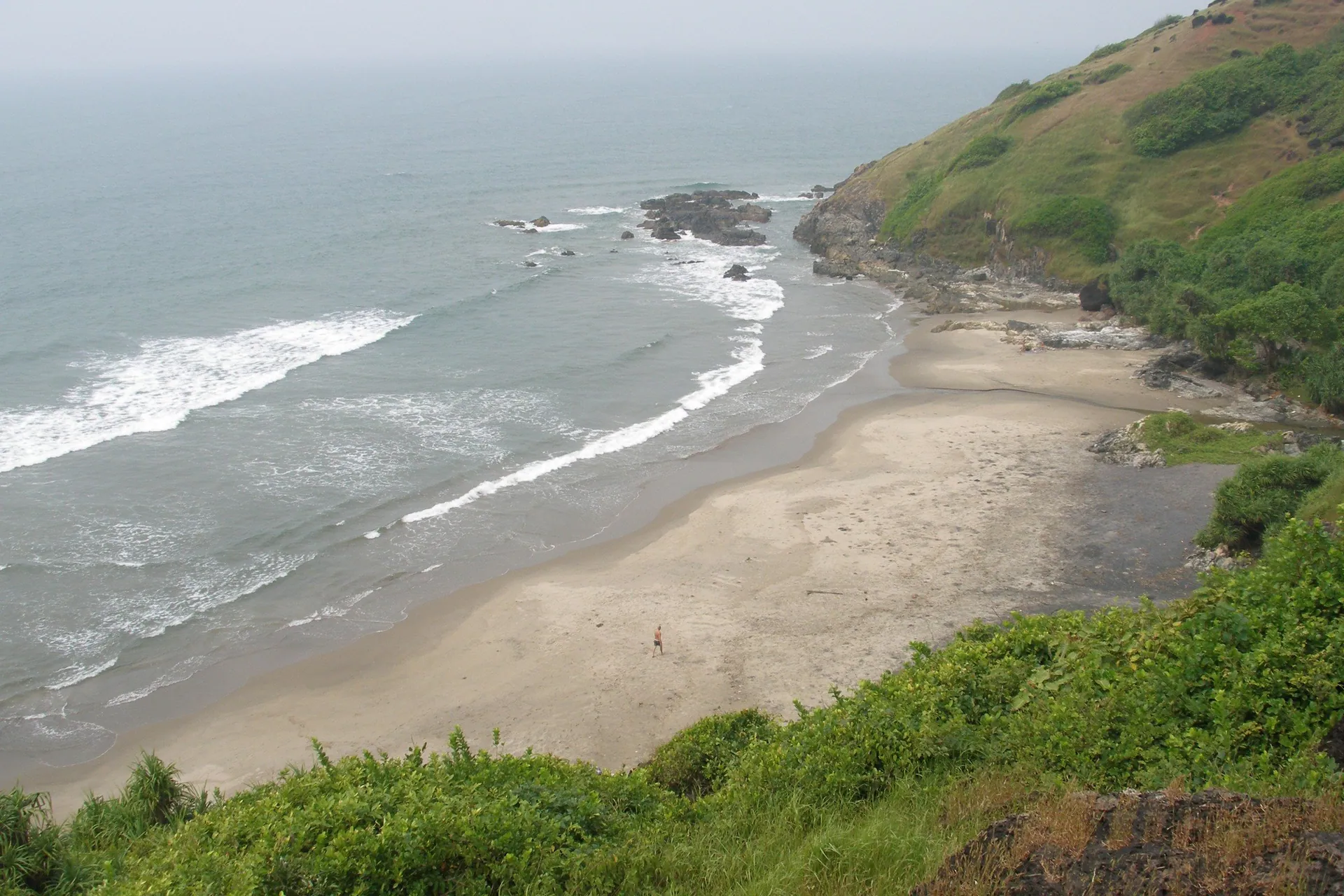
Vagator and Anjuna
Red laterite cliffs, rocks and cafés, with Chapora Fort above Vagator and Anjuna's flea market on Wednesdays in season.
Chapora Fort is being restored until about December 2026, and entry can close around 5:30 PM.
Photo: Vyacheslav Argenberg, CC BY 4.0, via Wikimedia CommonsWater sports and late nights: Baga, Calangute and Candolim
I'll be straight about this stretch. From Baga down to Candolim, the beaches are Goa's busiest, and I'd go for what they do well: shacks, water-sports kiosks and the clubs of Tito's Lane. For a quiet swim, cross back over the Chapora.
Candolim is the calmer end, running down to Fort Aguada at Sinquerim. If you want dolphins, go out from Sinquerim between 7 and 9 AM.
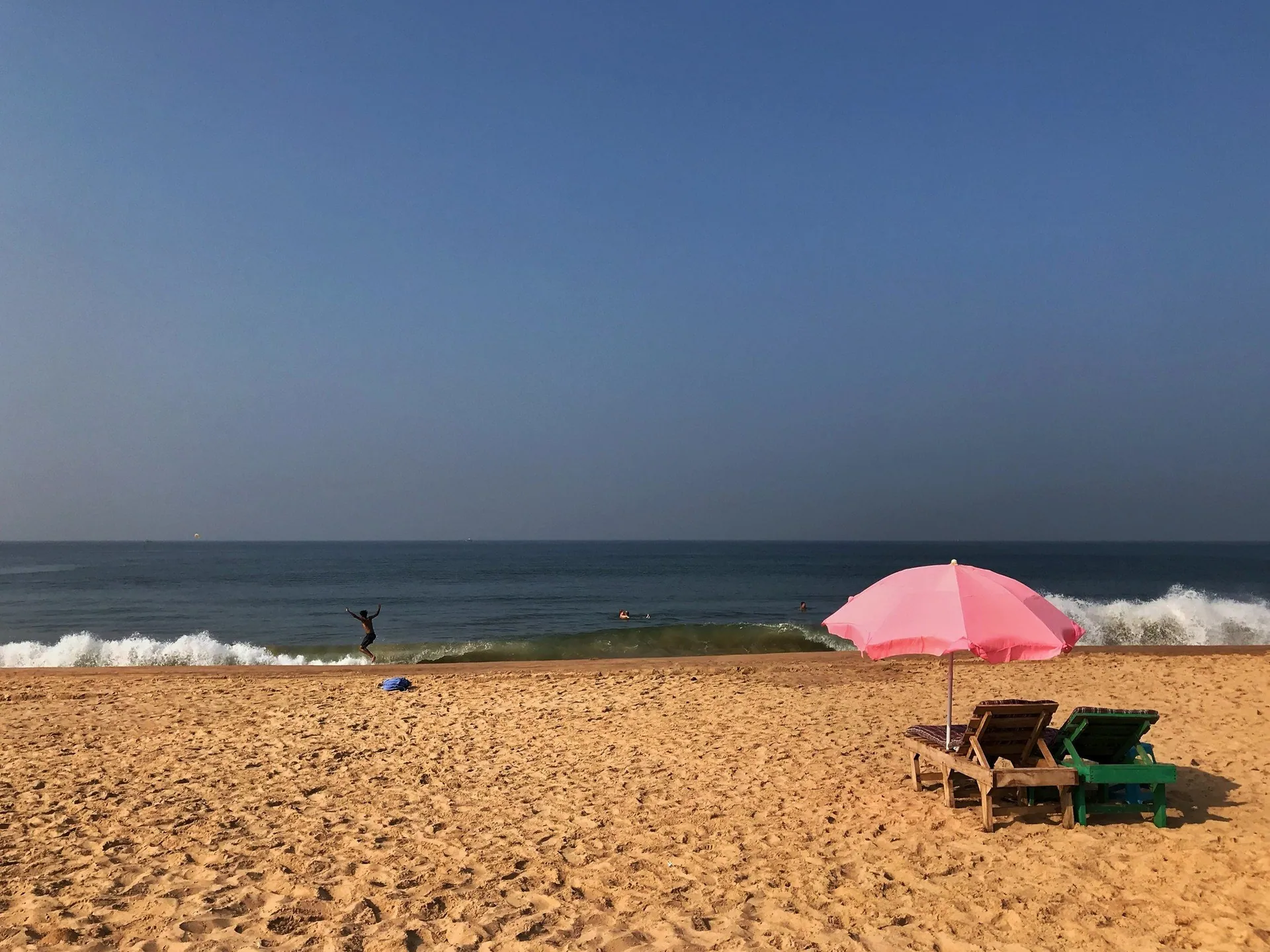
Baga and Calangute
Shacks, water-sports kiosks and the nightlife of Tito's Lane, the state's best-known club strip since 1971.
Use only operators registered with Goa Tourism, and agree the price and minutes first.
Photo: Sri Chinnu, CC BY-SA 4.0, via Wikimedia Commons, Straightened by 1.4 degrees and cropped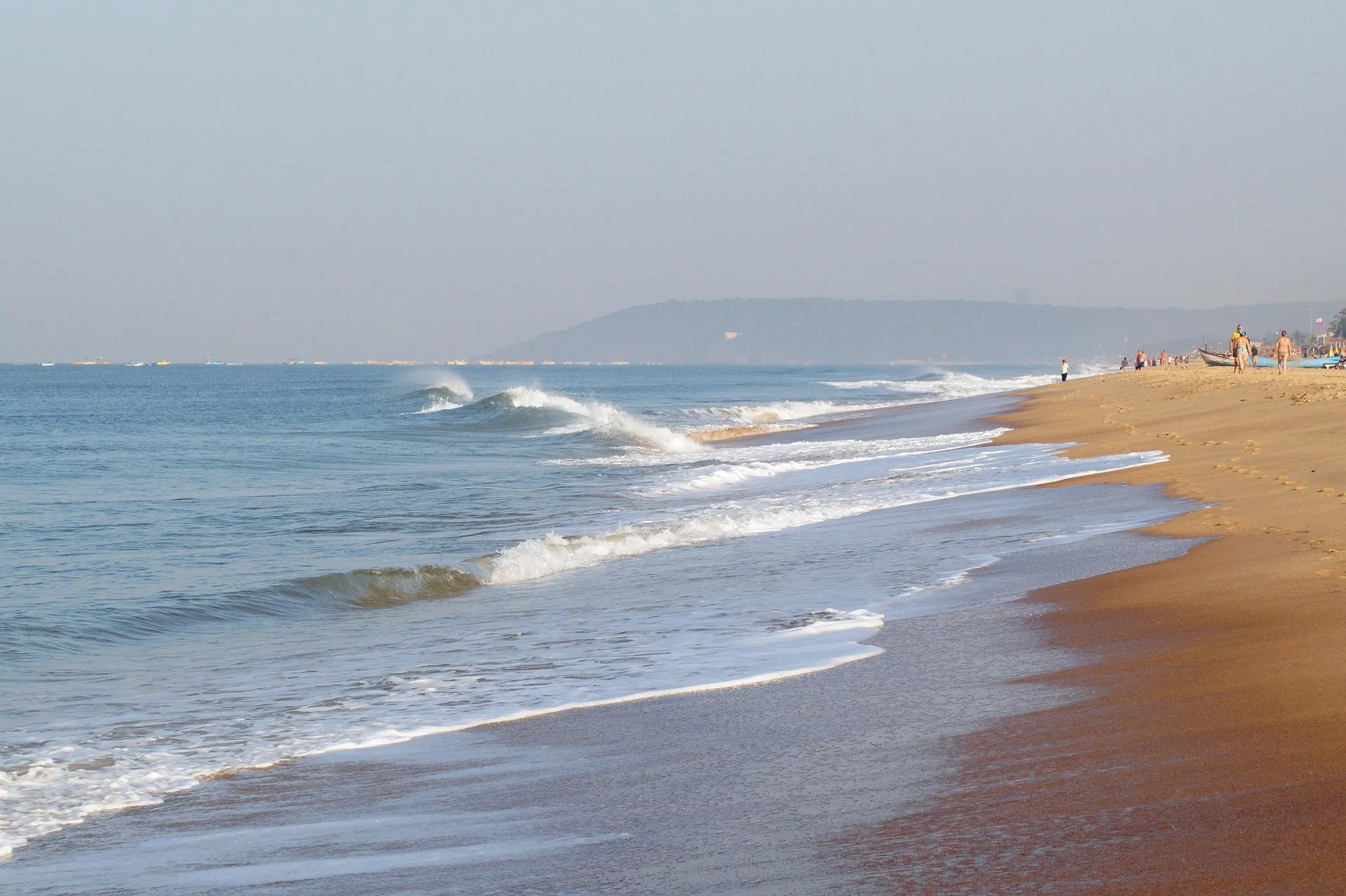
Candolim and Sinquerim
Long and calmer, running down to Fort Aguada at Sinquerim, where boats leave early for dolphin spotting and day trips to Grande Island.
Choose a dolphin boat that keeps its distance.
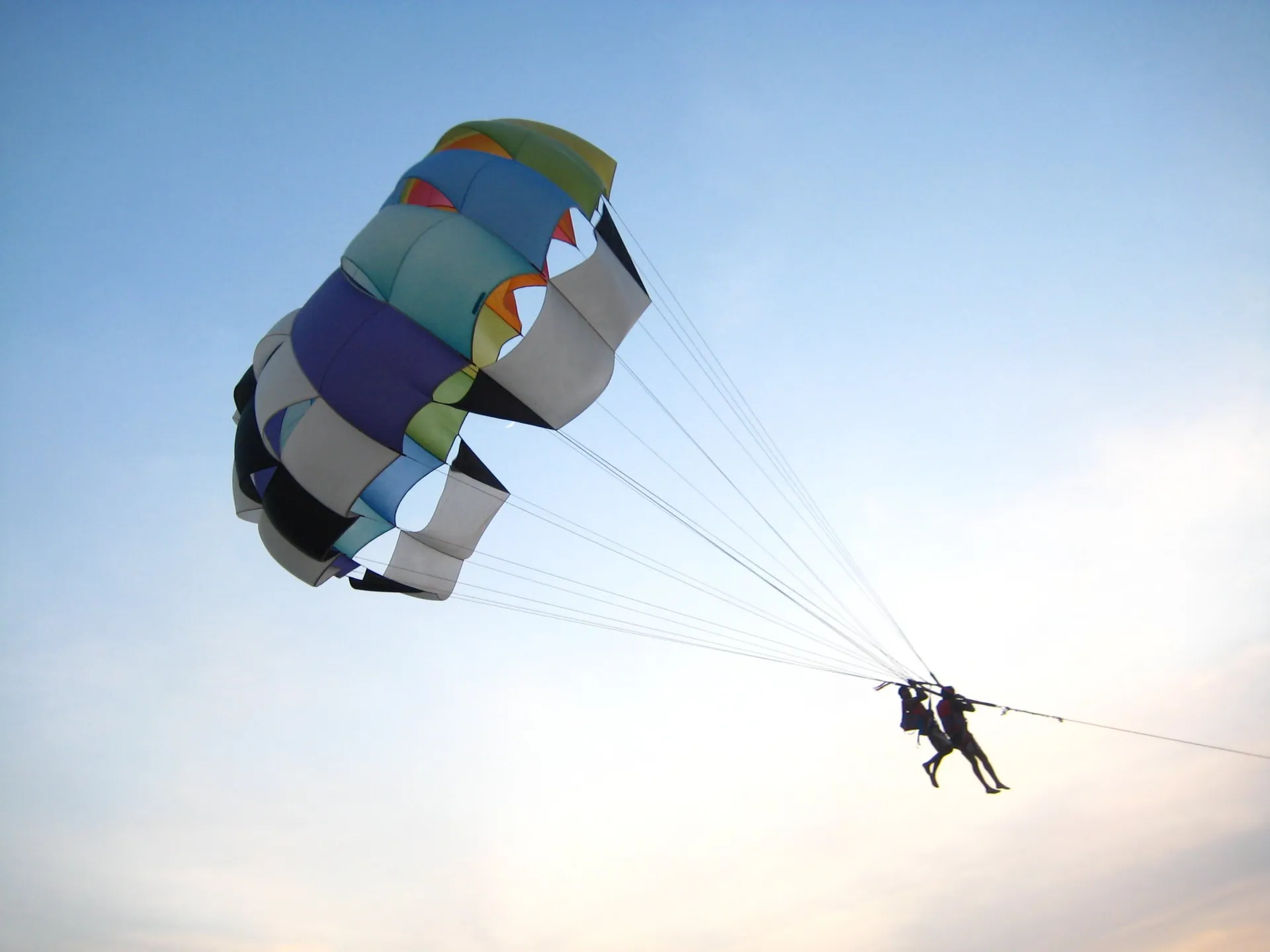
Photo: Yndesai, CC BY-SA 4.0, via Wikimedia CommonsFor parasailing, jet skis, diving and the rest, see my piece on adventure activities in Goa.
A slow few days in the south
South of the Zuari the beaches grow longer and quieter, running through fishing villages to the calm bays of Canacona. It's a long day from the north, so start early, or do as I tell guests and stay a night near Palolem or Agonda. Then give it a few days of susegad, the Goan art of unhurried contentment.
On the way down, Bogmalo is a small, sheltered bay for try-dives and PADI courses around Grande Island, best from December to February: book a dive centre, not a beach combo. From Majorda and Colva to the quiet resort sands of Varca and Cavelossim runs a long white-sand shore through fishing villages. Walk it, and end the day at The Fisherman's Wharf, on the Sal river at Cavelossim.
Agonda is the quiet one, quieter than Palolem next door, the palm-lined crescent with kayaks. Galgibaga, where the coast ends, is remote and long: the other place I'd go for the most sand to yourself.
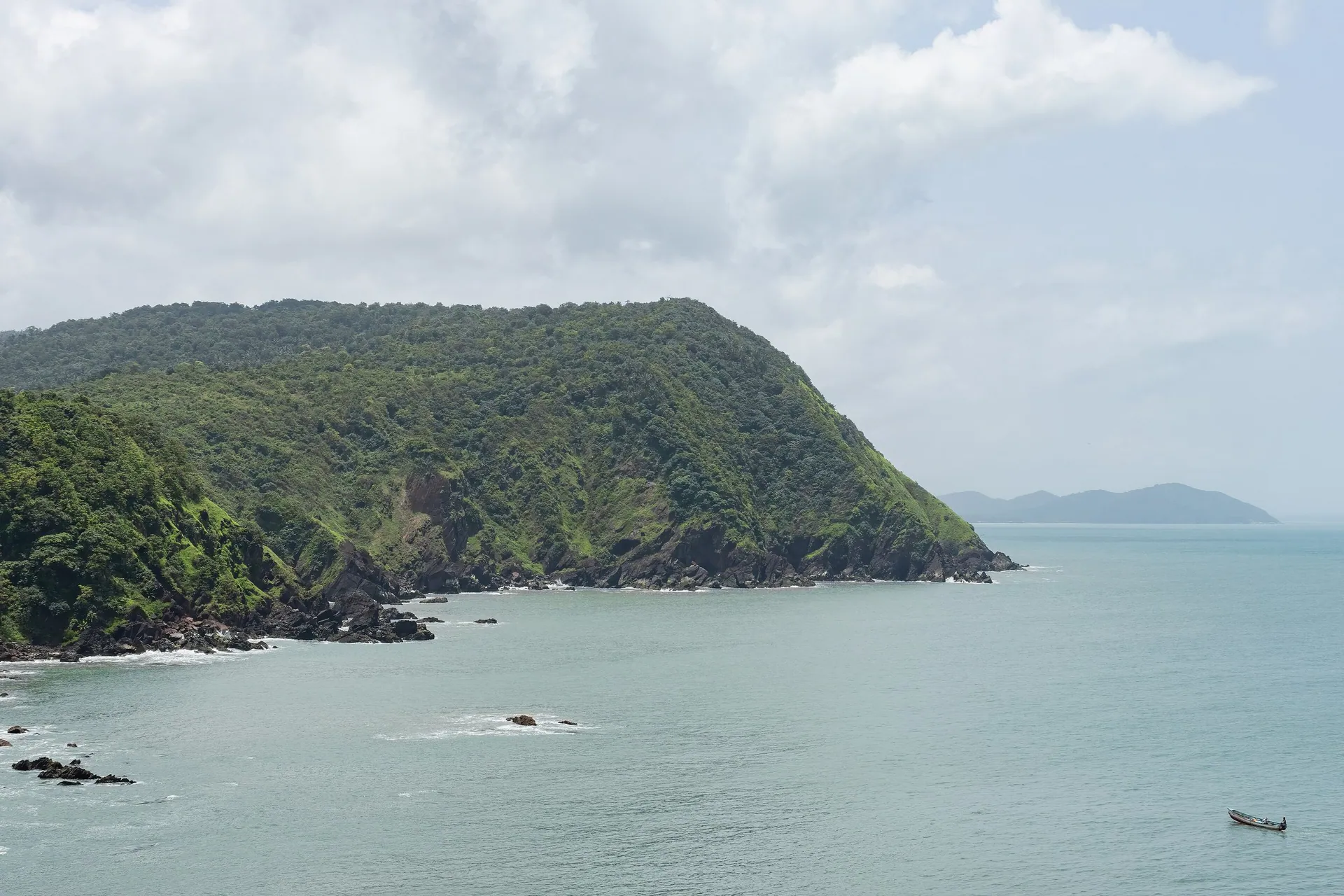
Cabo de Rama
A clifftop fort with a white chapel inside its walls, and Kakolem cove below the cliffs.
The gates close at 5:30 PM, so watch the sunset from the open cliffs nearby.
Photo: iMahesh, CC BY-SA 4.0, via Wikimedia Commons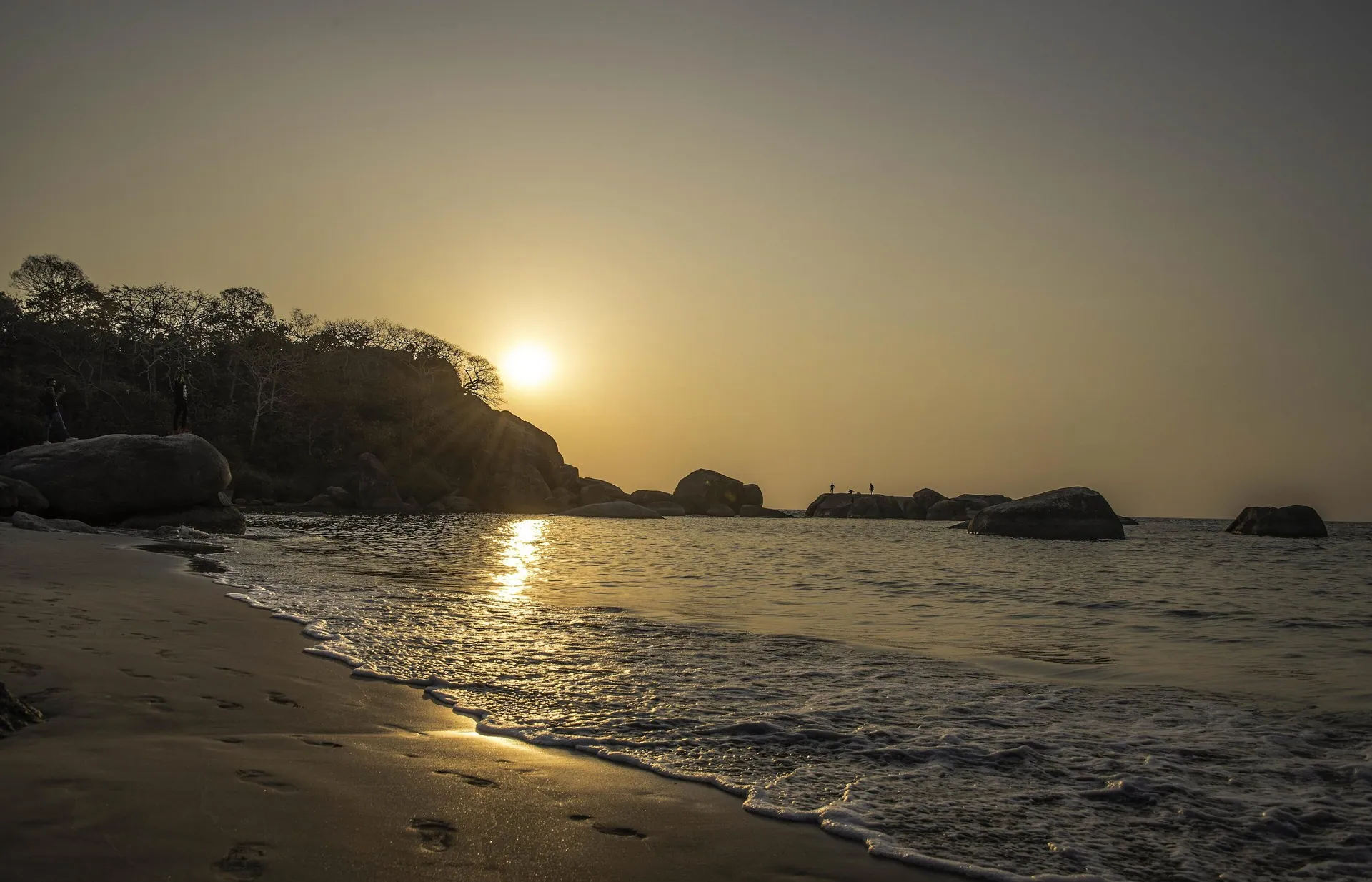
Agonda
A long, peaceful beach where olive ridley turtles nest in winter.
Boats leave here and from Palolem for Butterfly and Honeymoon beaches, October to May.
Photo: Mahabalaindia, CC BY-SA 4.0, via Wikimedia Commons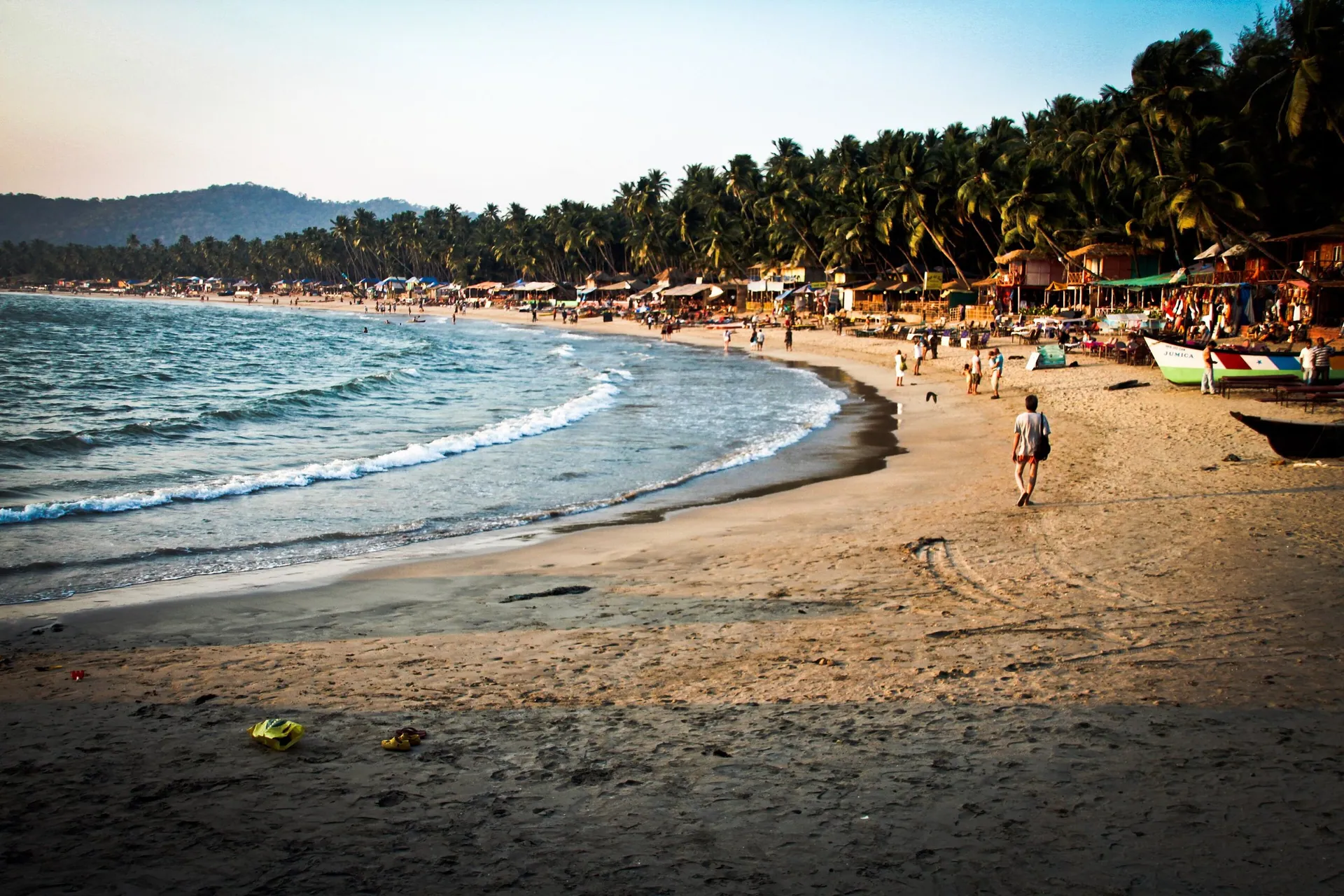
Palolem and Patnem
A palm-lined crescent bay with calm water and kayaks, and Patnem next door.
Leave Palolem around 7:30 AM for the early boat to Butterfly Beach, ahead of the tour boats.
Photo: Nico Crisafulli from USA, CC BY 2.0, via Wikimedia CommonsGalgibaga
Remote and long, at the southern end of Goa's coast, where olive ridley turtles nest through the winter.
Nests are cordoned. No bright lights after dark.
The smaller coves and lagoons, from Kakolem and Cola to Butterfly Beach, are in my hidden places in Goa. For the southern sands with Chandor's great houses, see a day trip to South Goa.
Swimming safely, and the seasons
The sea here can look gentler than it is. I tell guests to swim between the flags, because currents can be strong on calm-looking days. Swim with someone, too, and stay out of the water between noon and 3 PM.
In the monsoon, from about June to September, walk the beaches rather than swim. My piece on Goa in the monsoon covers what stays open.
Choose the day first, and the beach will follow. The rest of the coast will still be there tomorrow.
Questions people ask
It depends on the day you want. I'd choose Mandrem or Ashwem for a quiet swim and Arambol for a sunset with music. For water sports and nightlife, Calangute and Baga; for kayaks and calm water, Palolem; for turtles and empty sand, Galgibaga.
North Goa has more variety close together, from quiet Mandrem to busy Baga, with cafés and nightlife nearby. South Goa has longer, quieter sands and calm bays like Palolem and Agonda, but it's a long day from the north, so stay a night.
No. The sea is closed for swimming through the monsoon, roughly June to September, and currents can be strong even on calm-looking days. Walk the beaches instead, and swim again from about October, between the flags.
Olive ridleys nest through the winter, from about November, at Morjim, Agonda and Galgibaga. The nests are cordoned off, so keep clear, and keep your lights low after dark.
Morjim, just across the Siolim bridge, where the north coast begins. Vagator and Anjuna are a short drive south, and Ashwem and Mandrem a little further north. There's more on the village in my piece on Siolim.
Sources and checks
- The House of Nivak guest guide (facts checked 27 Sep 2026)
- Beach safety advisory issued for summer, The Goan (24 Apr 2026)
- Querim Beach, Wikipedia
Opening days, prices and seasonal rules change. I check them before every update; please confirm anything time-sensitive before you go.