A South Goa day trip: old mansions, quiet bays and the long road back
Grand family houses, a long lunch and a clifftop fort, then the long road north. How I'd see the south in a day, and why the far bays deserve a night.

On this page
In short
- South Goa works as one long day from the north: the old houses of Loutolim, Braganza House in Chandor, lunch at Martin's Corner in Betalbatim and the clifftop fort at Cabo de Rama.
- Start early. Cabo de Rama's gates close at 5:30 PM, before sunset, so plan to reach the fort in the afternoon.
- Braganza House is a seventeenth-century mansion still lived in by its families. LetsGoa lists a one-hour guided tour daily, between 10 AM and 5 PM.
- For Palolem, Agonda and the coves you reach by boat, such as Butterfly and Honeymoon beaches, I'd stay a night. Boats to the coves run October to May.
- Olive ridley turtles nest at Agonda and Galgibaga through the winter. Nests are cordoned, so keep bright lights off the beach after dark.
South Goa works as a day trip from the north if you choose one line and start early: the old houses of Loutolim and Chandor in the morning, lunch in Betalbatim and the clifftop fort at Cabo de Rama in the afternoon. The far south, with Palolem, Agonda and the coves beyond them, is better with a night away.
The south moves at its own pace: long white sand through fishing villages, quiet resort sands, a market town and great family houses from the Portuguese years. It's also far. From Siolim, where I welcome guests at Rivara, it's a long day, so leave after an early breakfast and keep the plan simple.
The long day south, in order
This is the day I'd plan for a friend with one chance to see the south. Loutolim comes first, just past the Zuari: its open-air museum opens at 9 AM, and Braganza House's tours begin at 10 AM.
A long day south, in order
- EarlyLeave the north after an early breakfast. The drive is long.
- 9 AM, LoutolimThe old houses, and the Ancestral Goa open-air museum of village life.
- Late morning, ChandorBraganza House and its heirlooms, on the village square.
- Lunch, BetalbatimMartin's Corner, or a big seafood table on the sand at Zeebop by the Sea in Utorda.
- Afternoon, Cabo de RamaSouth along the coast to the clifftop fort, arriving well before the gates close at 5:30 PM.
- EveningDinner on the Sal river at The Fisherman's Wharf in Cavelossim, on the way back north, then the long drive home.
Two things fix the shape of the day: Braganza House's tours begin at 10 AM, and Cabo de Rama's gates close at 5:30 PM. I'd plan around those two and let everything else bend.
Scooters, buses and ferries are covered in getting around Goa.
Loutolim and Chandor: the great houses
The south keeps some of Goa's grand family houses, and several are still homes. Treat them that way: go with a guide or at the set visiting times, and look at the private ones from the lane.
Braganza House is a seventeenth-century mansion on Chandor's village square, now two houses with a shared entrance. The east wing has a chapel with a relic of St. Francis Xavier and a ballroom floored in Italian marble. The west wing keeps family portraits and a library of almost 5,000 books, believed to be Goa's first private library.
In Loutolim, look for Portuguese-era family homes such as Casa Araujo Alvares, and the Salvador do Mundo church, built by the Jesuits in 1586. The cartoonist Mario Miranda's family home is here. Most of the houses are private, so enjoy them from the lane. If you want one more stop, Margao, South Goa's main town, has a busy covered market.
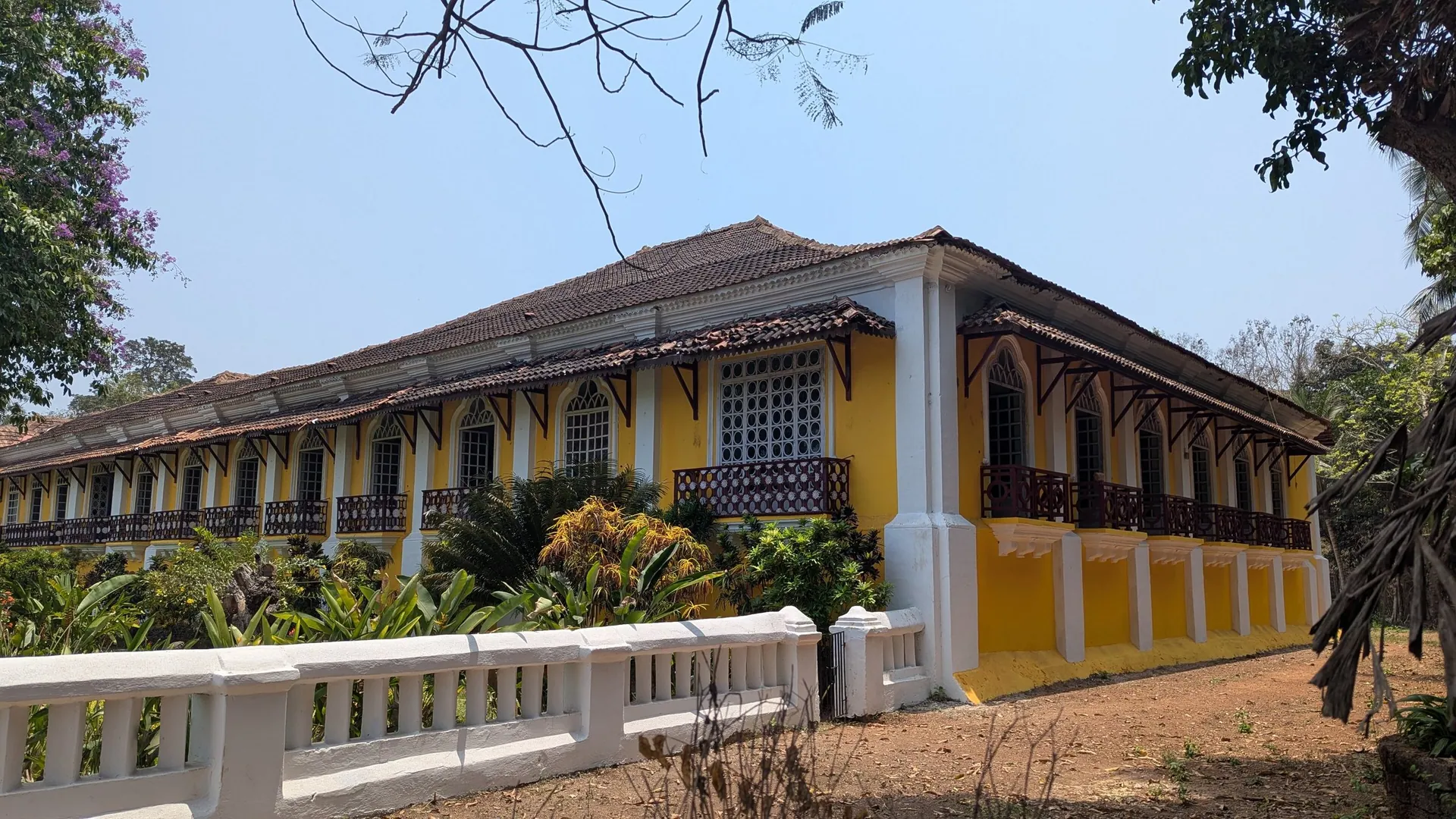
Braganza House
A vast old mansion, still a family home and full of heirlooms.
LetsGoa lists a one-hour guided tour, daily.
Book on LetsGoaPhoto: SerChevalerie, CC BY-SA 4.0, via Wikimedia CommonsAncestral Goa
An open-air museum of Goan village life about a century ago, with old trades, homes and a market, and India's longest laterite sculpture, of the poet Mirabai.
Open daily. Go first, before the heat.
Goa TourismMargao market
South Goa's main town, with a busy covered market for fish, fruit, spice and colour.
Keep some cash for small stalls, and ask before photographing people.
Where to eat on the way
Three tables make the day: lunch in Betalbatim or Utorda, and dinner on the Sal river on the way home. For lunch I'd go to Martin's Corner, a Betalbatim institution and the classic stop on a long day south. If you'd rather eat on the sand, Zeebop by the Sea in Utorda is a big beachfront seafood table.
Places change and many open only in season, so check timings before you set off, and book ahead from mid-December to early January.
Martin's Corner
The classic lunch stop.
Check timings before you set off.
Zeebop by the Sea
Catch of the day, stuffed crab and tandoori snapper, on the sand.
The Fisherman's Wharf
Goan seafood on the Sal river, with live music most evenings.
On the way back north from Cabo de Rama.
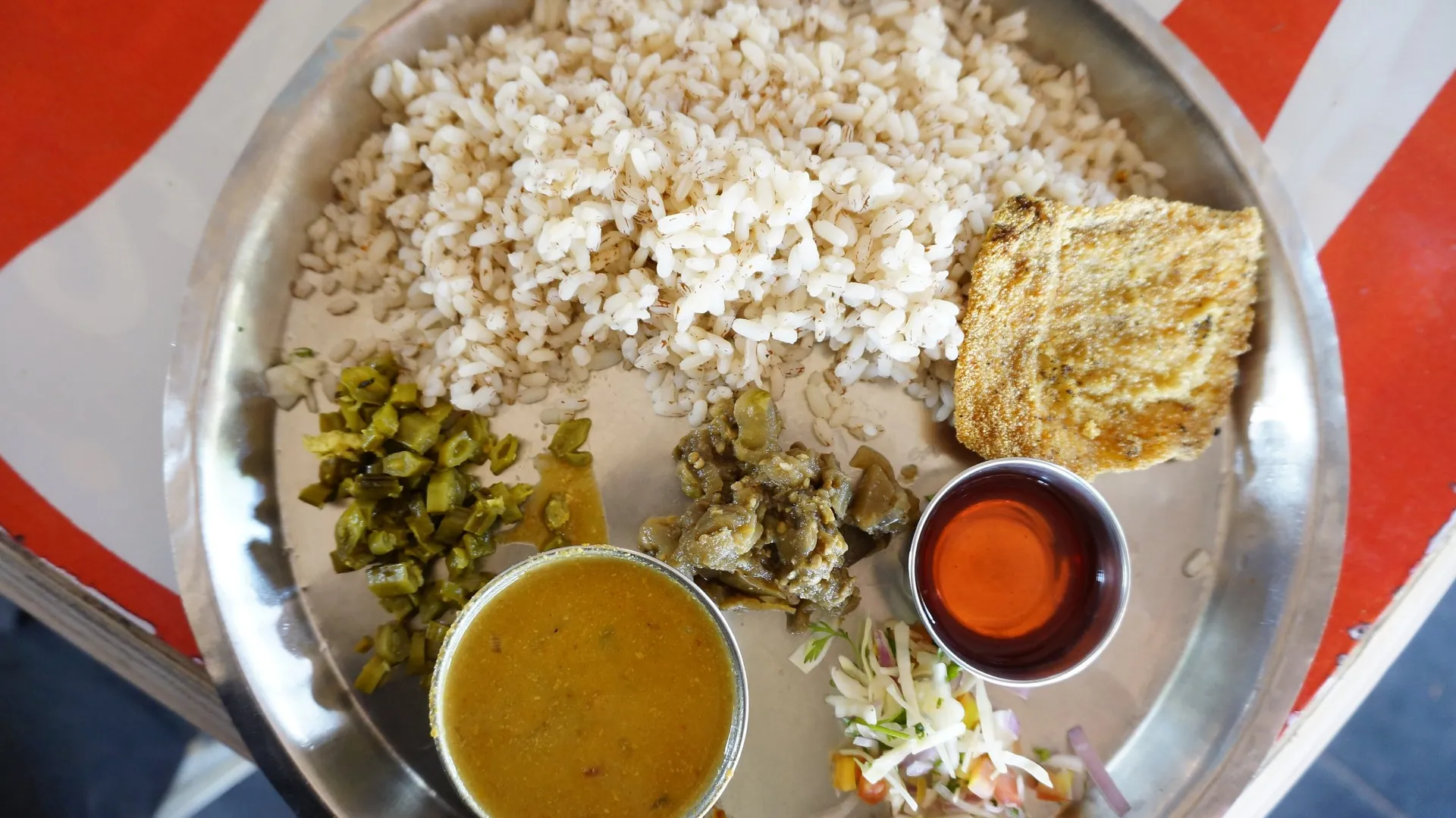
More tables beside the river and the sea are in the best dinner places in Goa.
Cabo de Rama: an afternoon, not a sunset
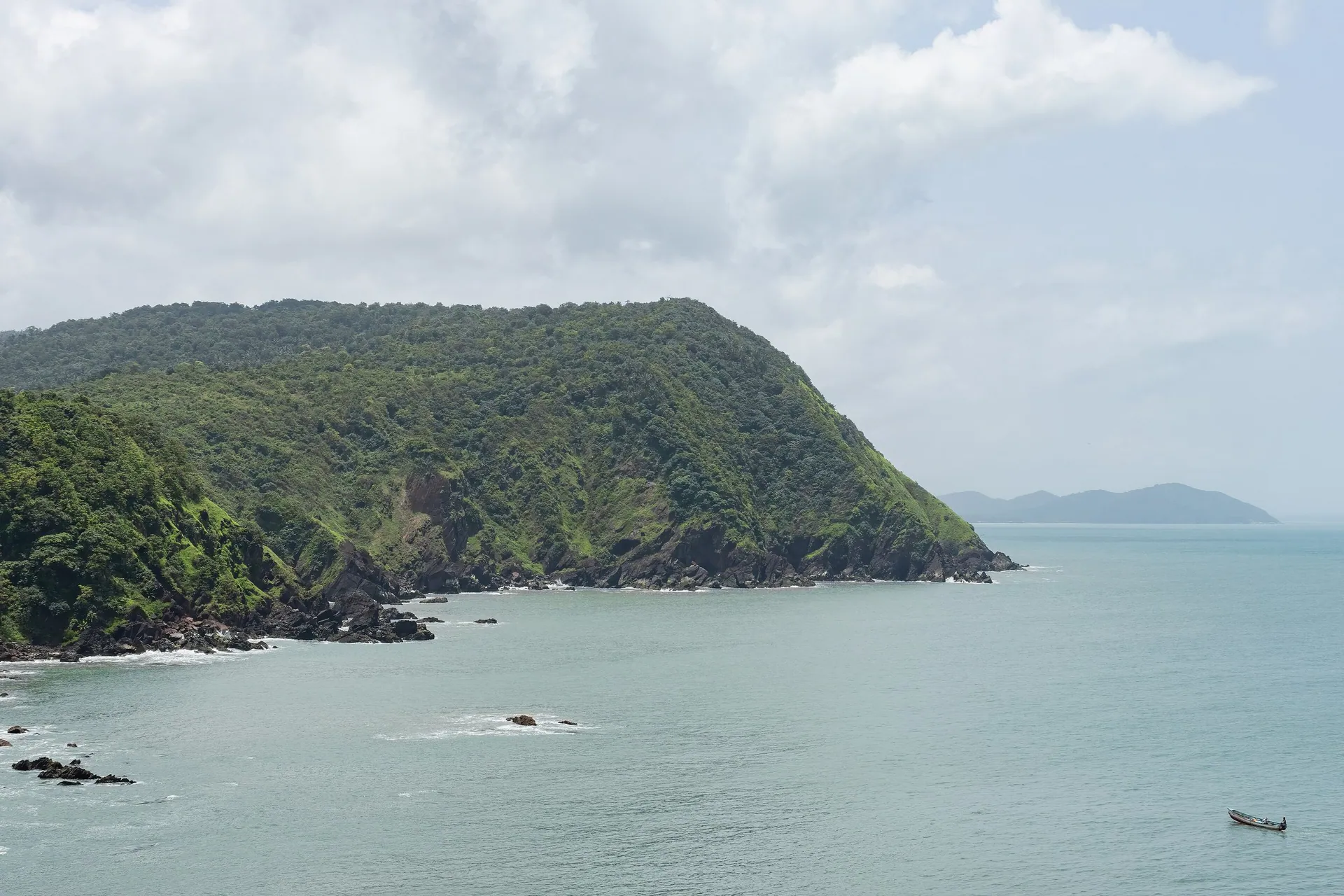
Cabo de Rama is a clifftop fort on a headland in the far south. It changed hands between Hindu and Muslim rulers until the Portuguese took it in the 1760s, and it held a government prison until 1955. Inside the walls, the white Chapel of St. Anthony is still in use.
The gates close at 5:30 PM, before the sun goes down, so don't plan your sunset inside the walls. Come in the afternoon and walk the ramparts. On the western side the cliffs drop steeply to the sea, with the whole length of Colva beach running away to the north.
Kakolem, or Tiger Beach
A cove below the cliffs, where a small freshwater fall runs onto the sand.
Steep steps and no lifeguards. Leave before dark.
If you stay a night: Palolem, Agonda and the coves
My advice for the far south, in the guide I give my guests, is simple: a night near Palolem or Agonda makes it far easier. It puts the early boats and the turtle beaches within reach.
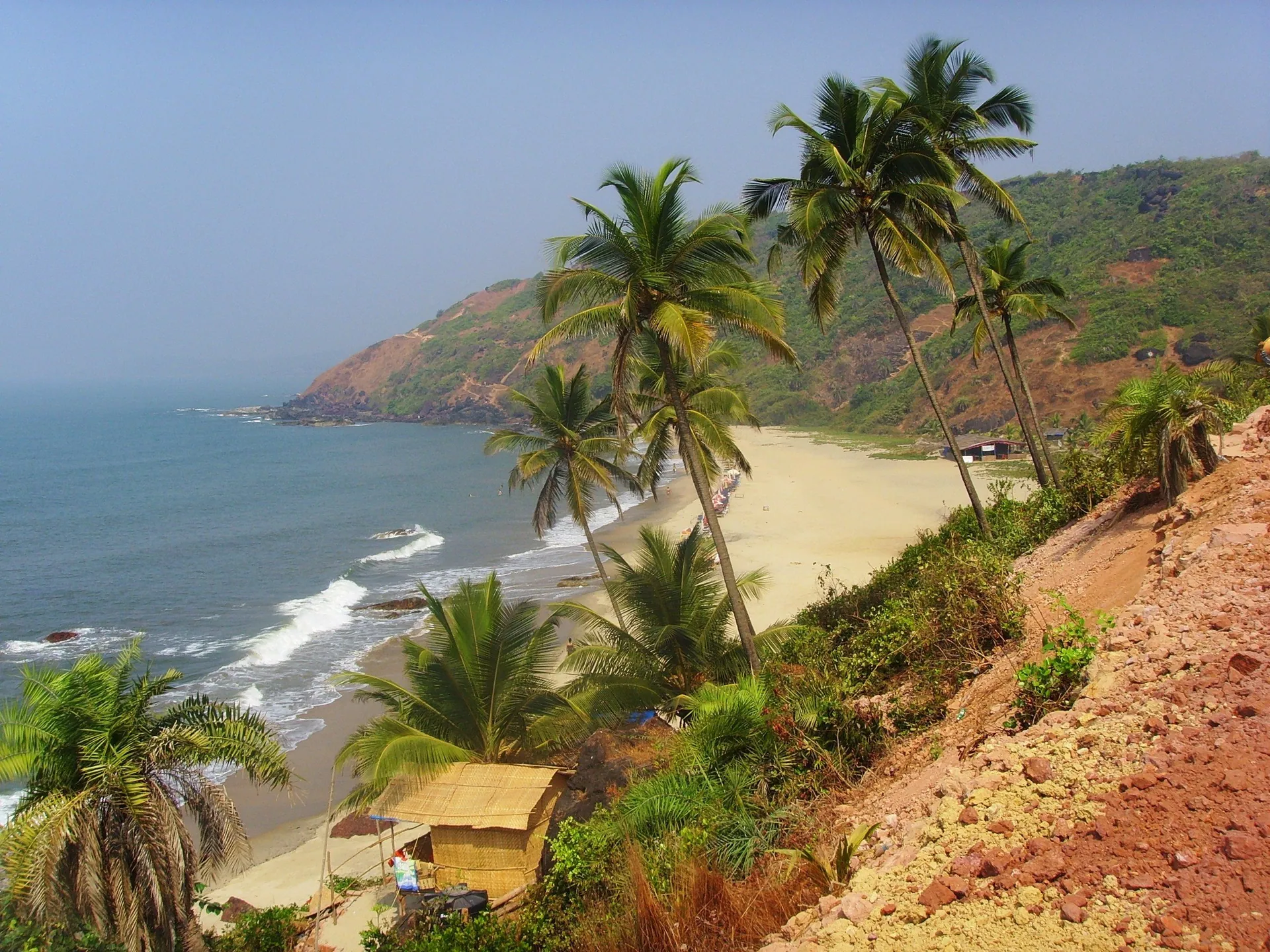
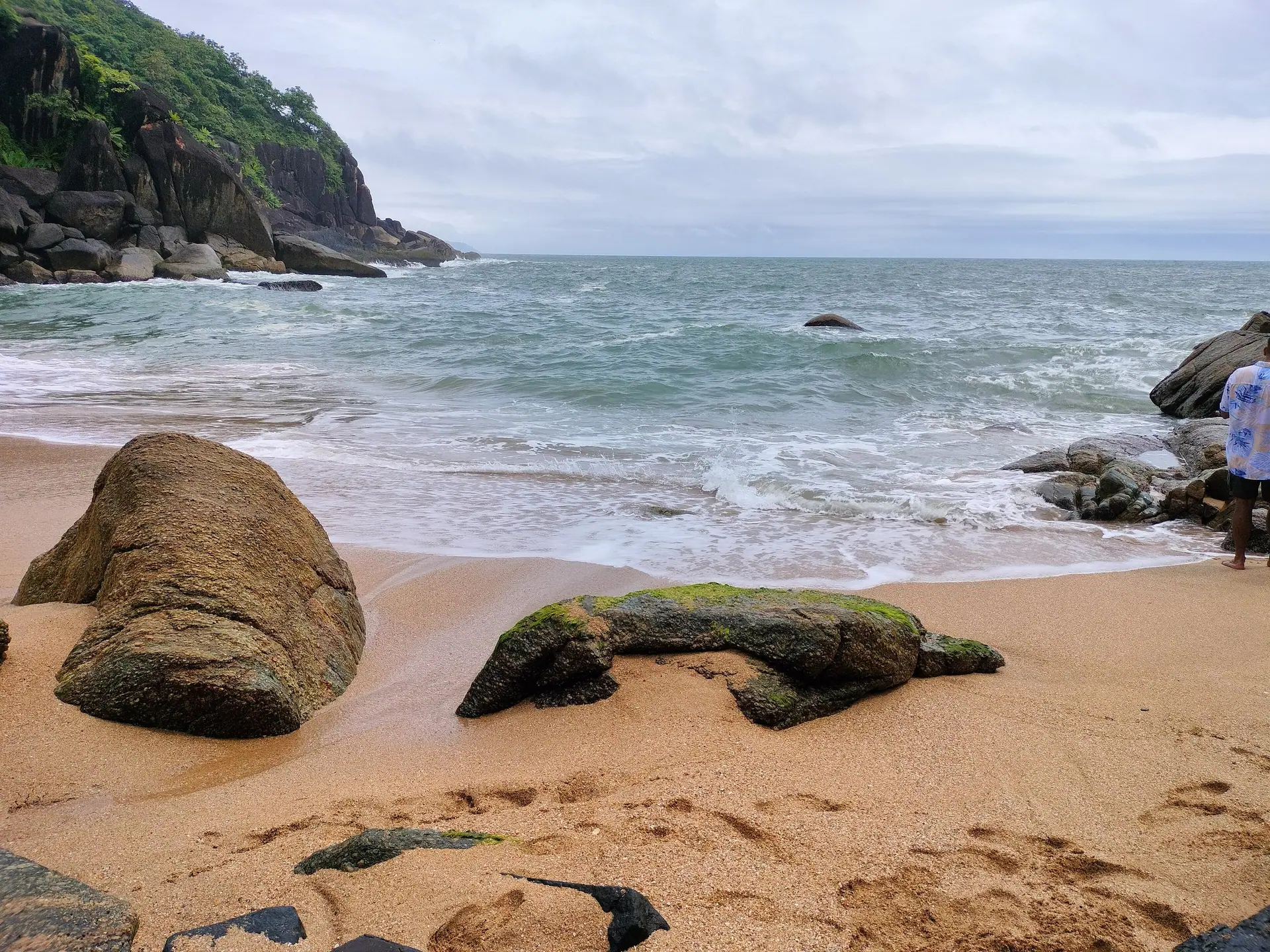
Palolem is a palm-lined crescent bay with kayaks and calm water, with Patnem beside it. Agonda, next door, is long, peaceful and quieter. Olive ridley turtles nest there in winter, as they do at Galgibaga, the long, quiet beach at the southern end of Goa's coast. The nests are cordoned, so keep well back.
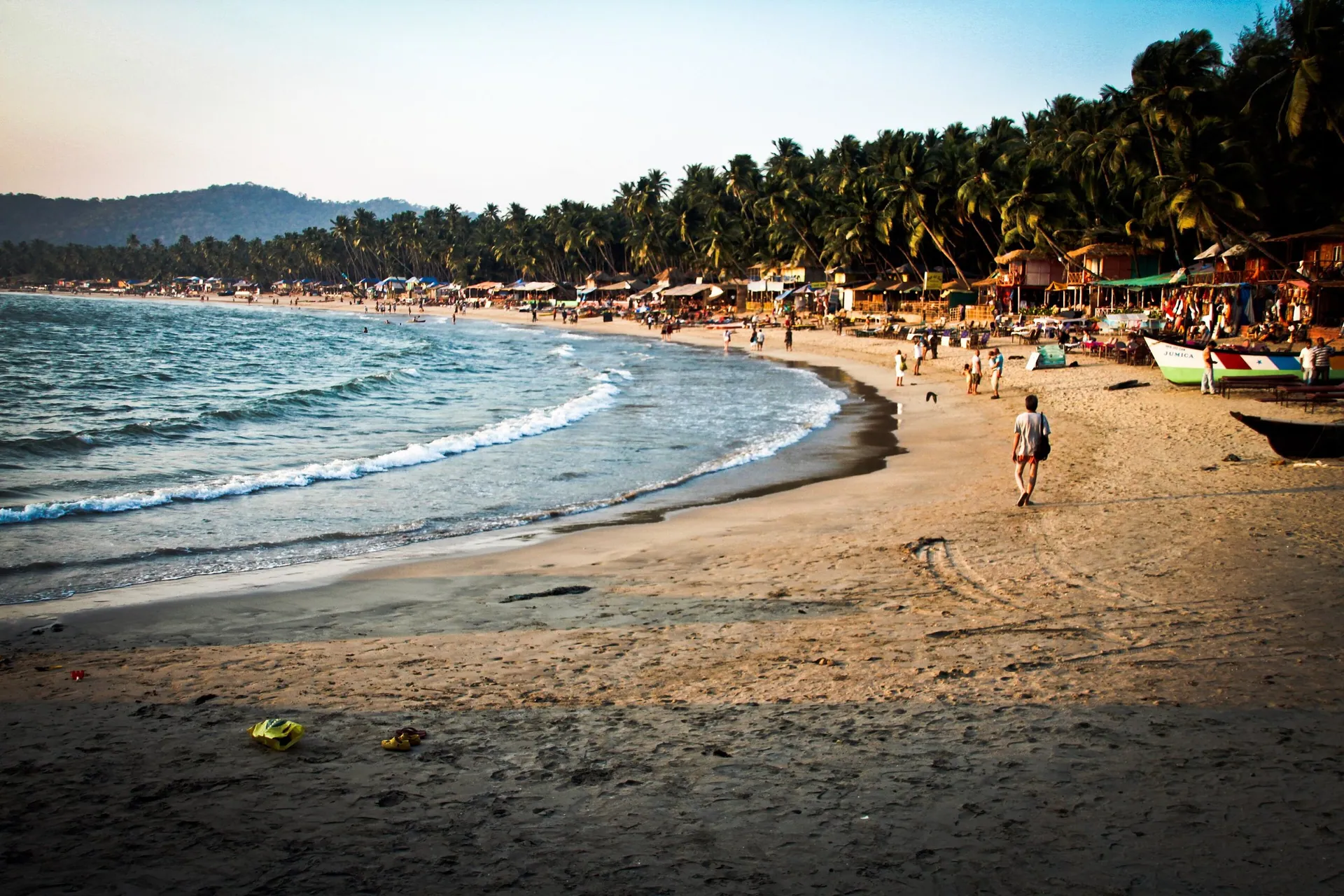
Butterfly and Honeymoon beaches
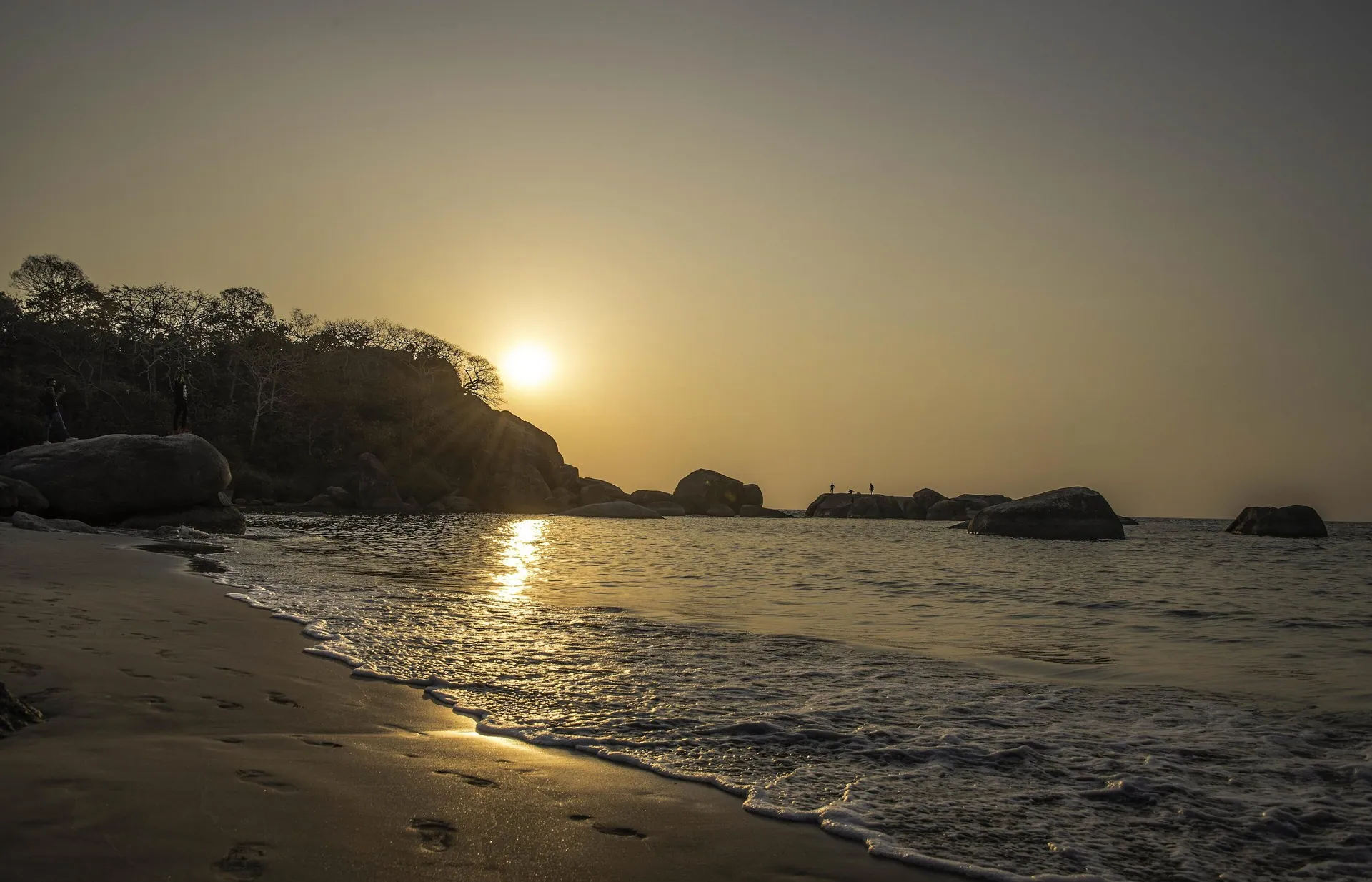
Two small forest-backed coves reached by boat from Palolem or Agonda, often with dolphins on the way.
Leave Palolem around 7:30 AM to beat the tour boats. Agree the price first, and wear life jackets.
Photo: Ashi ashlesh, CC BY-SA 4.0, via Wikimedia CommonsCola Beach lagoon
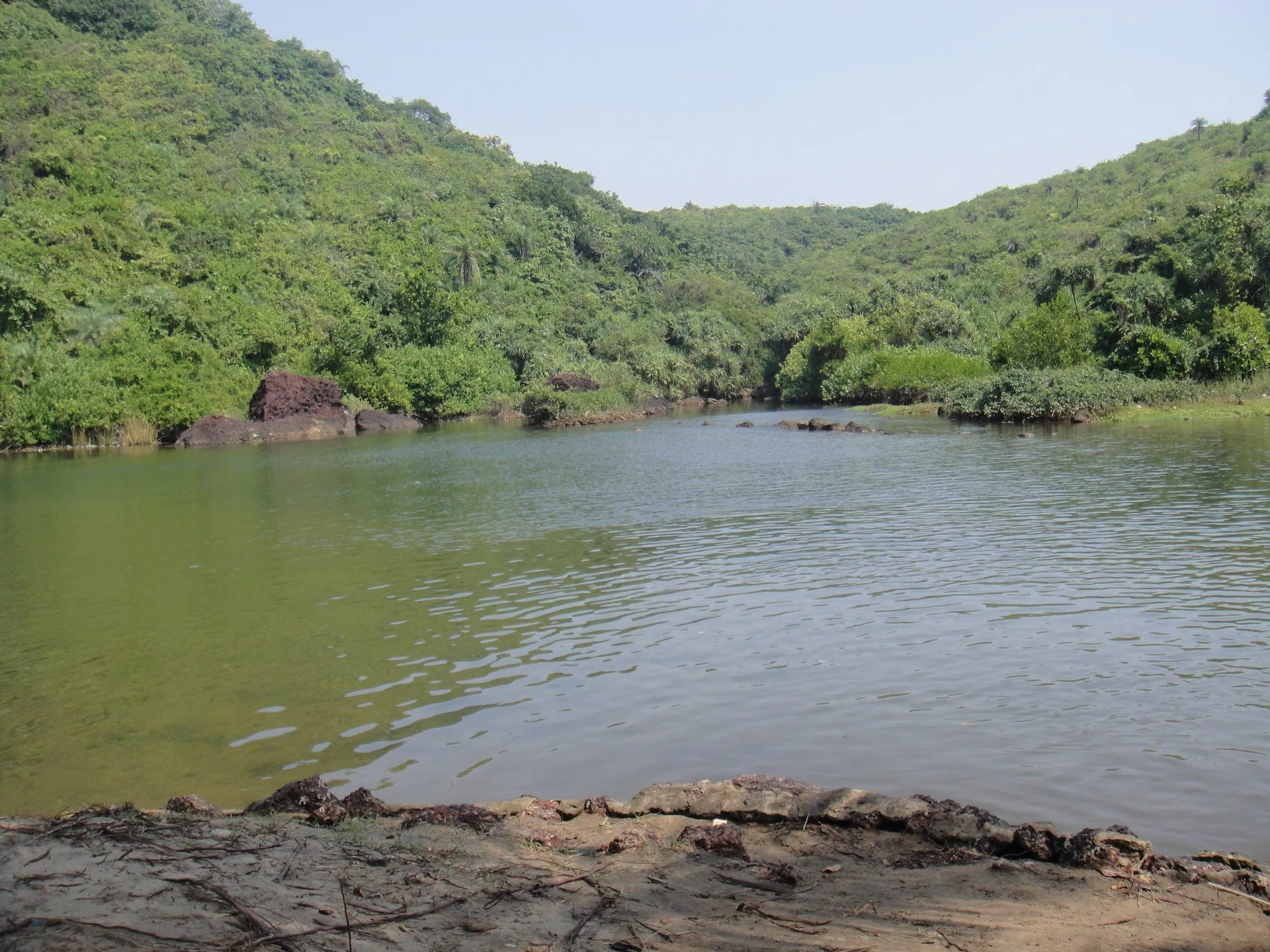
A calm freshwater lagoon sitting just behind the surf.
Walk the rough track, or come by boat from Agonda.
Inland, near Palolem, Cotigao Wildlife Sanctuary has forest trails and a treetop watchtower 25 m above a watering hole. Protected since 1968, it has eight nature trails, from 500 m to 5 km. Go at dawn or dusk, when animals are most likely to come to drink. More quiet corners, north and south, are in hidden places in Goa.
The southern beaches at a glance
The south coast runs from a small, sheltered bay at Bogmalo to the turtle beach at Galgibaga. Pick by the kind of day you want, and remember the sea has its seasons.
| Beach | What it's like | Good for |
|---|---|---|
| Bogmalo | A small, sheltered bay | Try-dives around Grande Island, best December to February |
| Majorda to Benaulim | Long white sand through fishing villages | Long walks on a day out south |
| Varca and Cavelossim | Quiet resort sands | A walk, then dinner on the Sal river |
| Agonda | Long and peaceful; turtles nest in winter | Quiet days and a night away |
| Palolem and Patnem | The crescent bay | Kayaking and calm water |
| Galgibaga | Remote, for nesting turtles | The winter turtle season, November to March |
The whole coast, from Querim to Galgibaga, is in the best beaches in Goa.
Start early, keep to one line and leave the far bays for the night you'll wish you'd booked.
Questions people ask
Yes, if you start early and choose one line: the old houses of Loutolim and Chandor, lunch in Betalbatim and the fort at Cabo de Rama make a full, rewarding day. For Palolem, Agonda and the coves, I'd stay a night instead.
Braganza House in Chandor, Loutolim's old houses and open-air museum, Margao's covered market and the clifftop fort at Cabo de Rama. Further south: Agonda and Palolem, the forest trails of Cotigao Wildlife Sanctuary and the boat-only coves of Butterfly and Honeymoon beaches.
Yes. It's still lived in by its families, so go with the guide: LetsGoa lists a one-hour tour, daily between 10 AM and 5 PM.
The gates close at 5:30 PM, before sunset, so visit in the afternoon. It's a long drive from the north, so arrive well before the close and give yourself time on the ramparts.
By taxi or self-drive. Uber and Ola don't operate in Goa, so book on GoaMiles or hire a car with a driver. If you're staying a night in the far south, Thivim and Canacona are on the same Konkan Railway line.
Through the winter, roughly November to March, at Galgibaga and Agonda. Nests are cordoned off, so keep your distance and don't use bright lights on the beach after dark.
Sources and checks
- The House of Nivak guest guide (facts checked 27 Sep 2026)
- Wikipedia: Chandor (Braganza House)
- LetsGoa: Menezes Braganza heritage house tour
- Goa Tourism (GTDC): Ancestral Goa
- Wikipedia: Loutolim
- Wikipedia: Cabo de Rama
- Wikipedia: Cotigao Wildlife Sanctuary
- Wikipedia: Canacona railway station
Opening days, prices and seasonal rules change. I check them before every update; please confirm anything time-sensitive before you go.