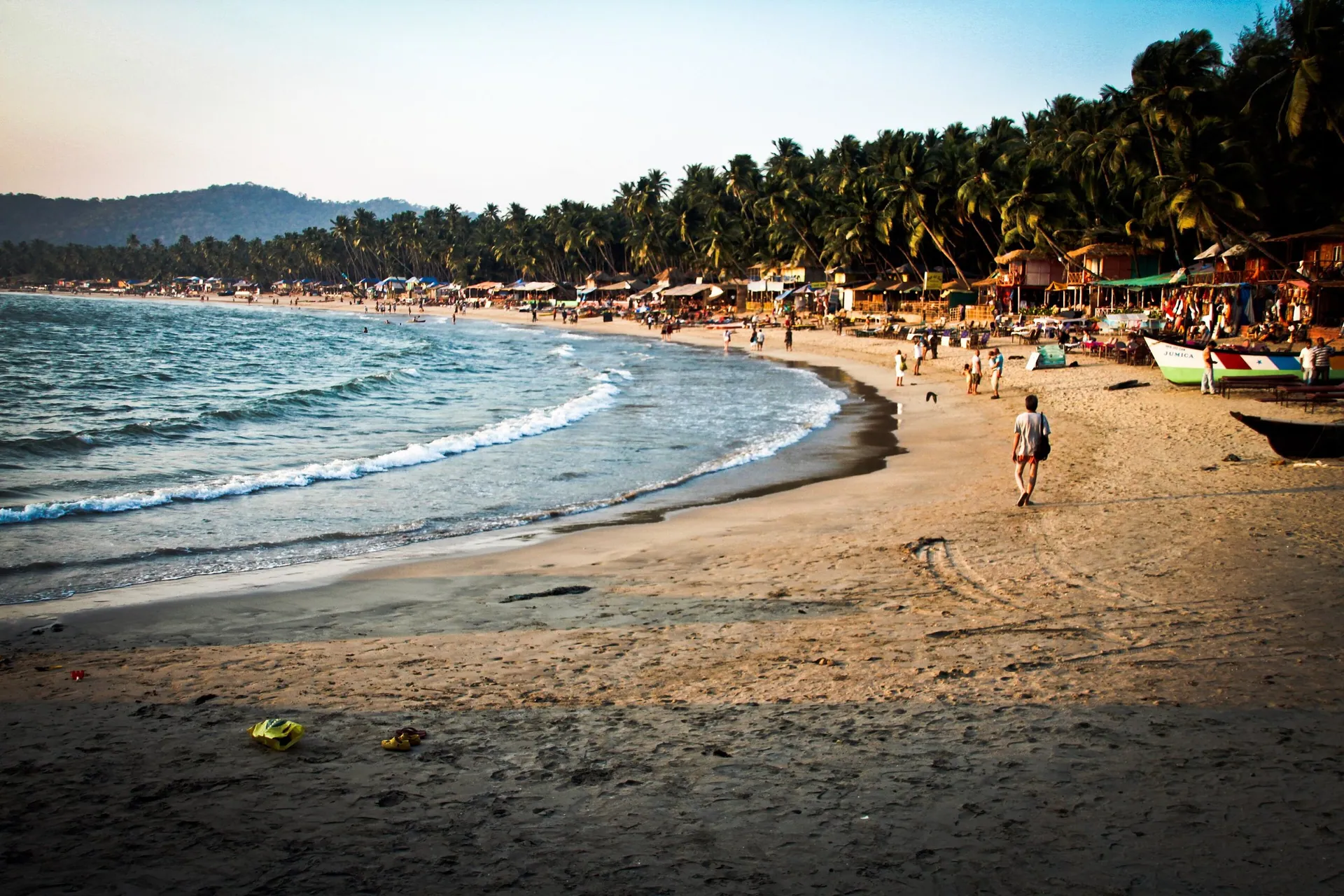
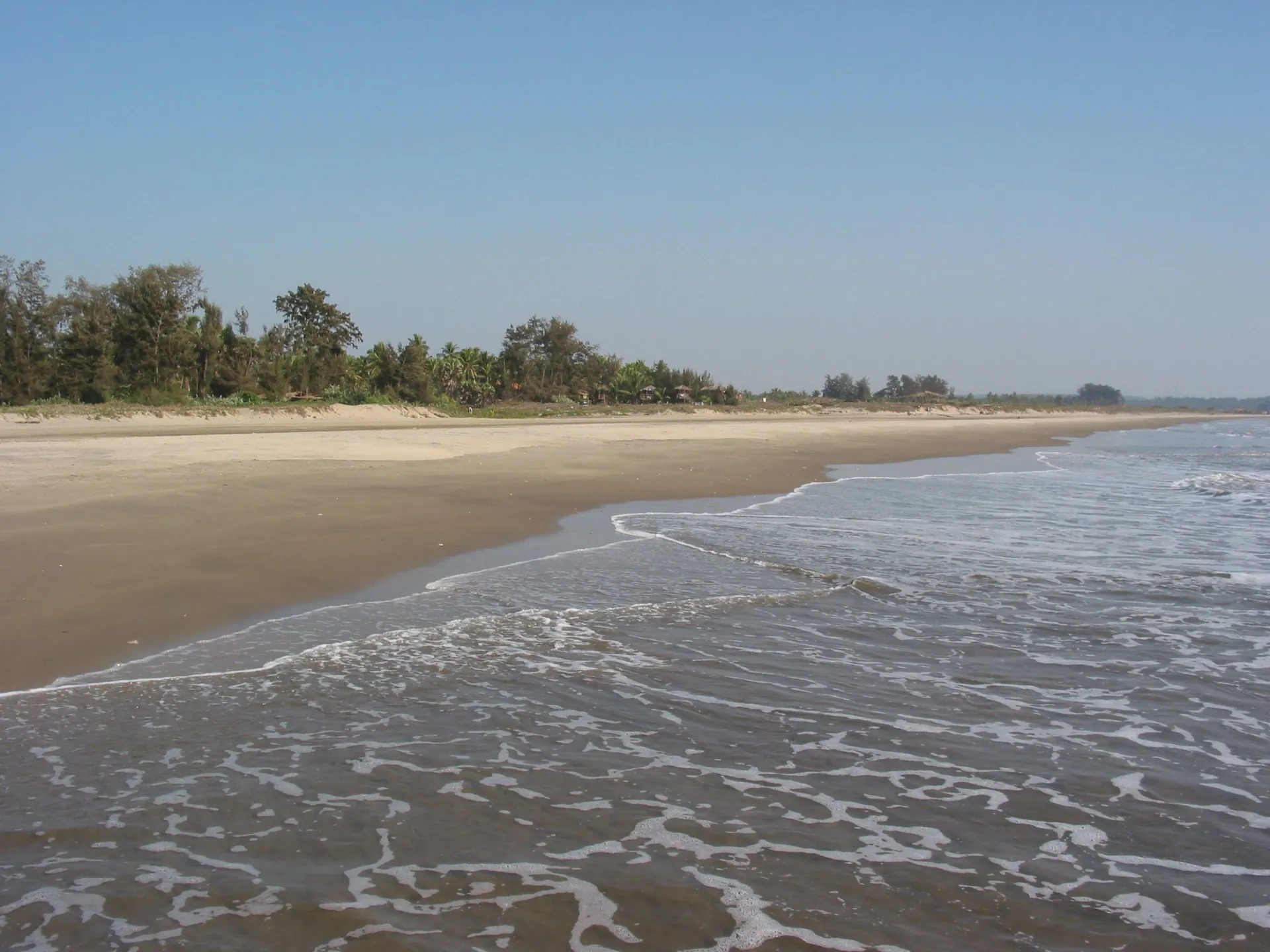
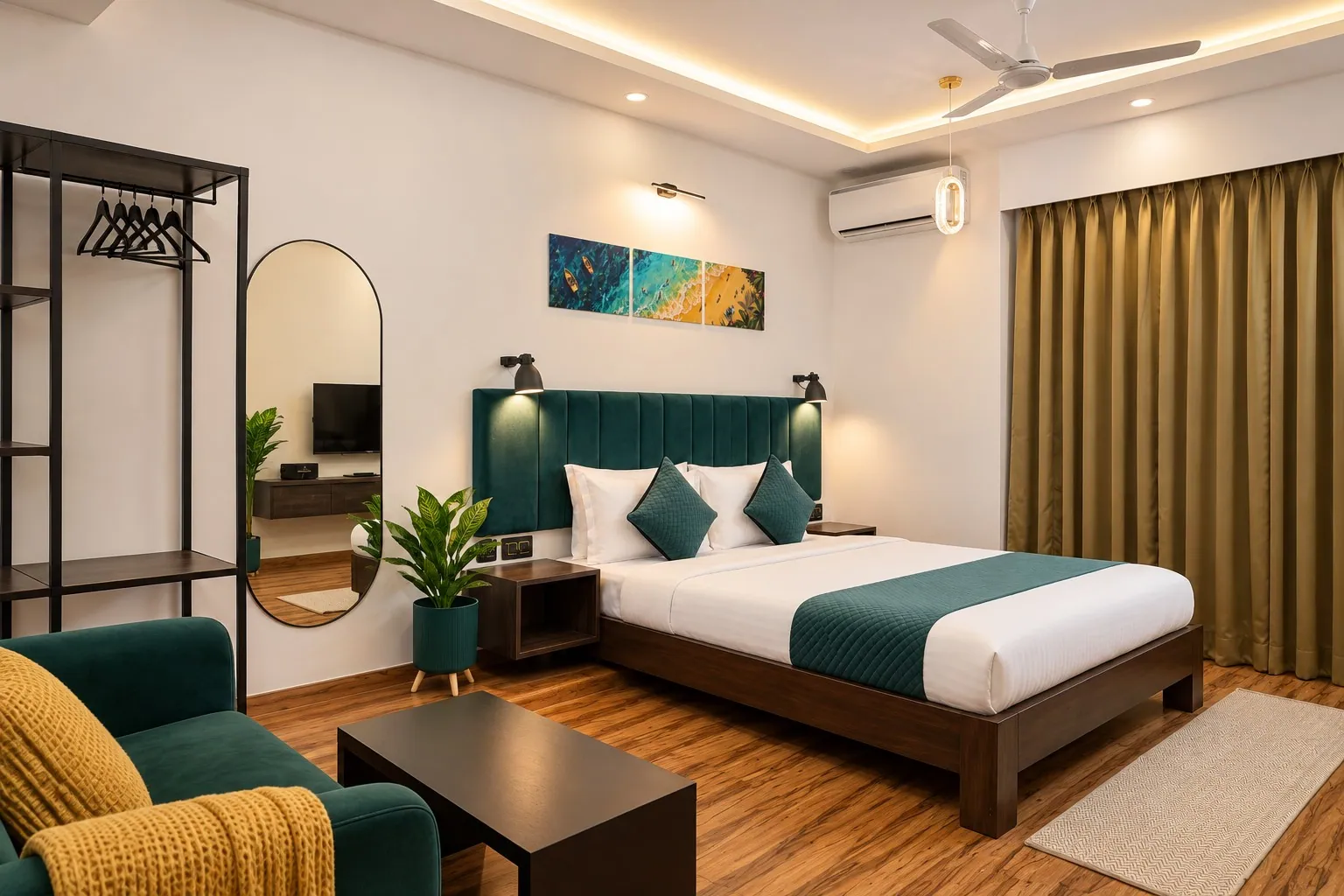
Slow travel in India: how to plan a trip around one place
Fewer places, longer stays, and days shaped by the weather and the neighbourhood rather than a list. A practical way to travel slowly in India, with Goa as the worked example.

On this page
- 01What slow travel means in practice
- 02Choose one base, and stay long enough to know it
- 03The shape of a slow day
- 04Get around, and eat, the way residents do
- 05Plan around the weather, not the holidays
- 06Working while you travel
- 07Being a good guest in a village
- 08What to pack for a slow trip
- 09Questions people ask
In short
- Slow travel means choosing one place and staying long enough to live a little of its life: one base, fewer plans, days shaped by the weather and the neighbourhood.
- Give one base at least four nights, and a week or more if you can. Day trips go out from it, and you come home to the same bed.
- Plan around the season, not the holiday. In Goa, the dry season runs from about October to May; the monsoon, June to September, is wet, green and quiet.
- Move the way residents do: on foot in the cooler hours, by bus or scooter, and in Goa by GoaMiles taxi, as Uber and Ola don't operate there.
- Be a good guest: cover shoulders and knees at churches and temples, ask before photographing people, and learn to say thank you locally.
Slow travel means choosing one place and staying long enough to live a little of its life, rather than seeing as much as you can. You pick a single base, stay a week or more if you can, and let each day take its shape from the weather, the neighbourhood and your own appetite, not from a list.
It suits India well: so much of a place shows itself only to people who stay, from a market day to the hour a village comes out to watch the light go. Our worked example is Goa, where The House of Nivak's first home is.
What slow travel means in practice
It isn't a rule about speed, or only for people with months to spare. It's a handful of choices that add up.
| Choice | A faster trip | A slower trip |
|---|---|---|
| Bases | A new one every night or two | One, for a week or more |
| Days | A list of sights to get through | One plan, and room for the rest |
| Getting around | Tours and transfers | On foot, by bus, scooter or ferry |
| Food | Wherever is nearest the sights | The market, the bakery, the places residents eat |
| Timing | Built around a holiday | Built around the season |
Choose one base, and stay long enough to know it
Choose the base before the sights: somewhere you'd be glad to come home to every evening, with a life of its own, walkable in the cooler hours, a kitchen if you'll stay a while, and a day's reach of what you most want to see. A village often beats a resort strip, because it's still itself when the visitors leave.
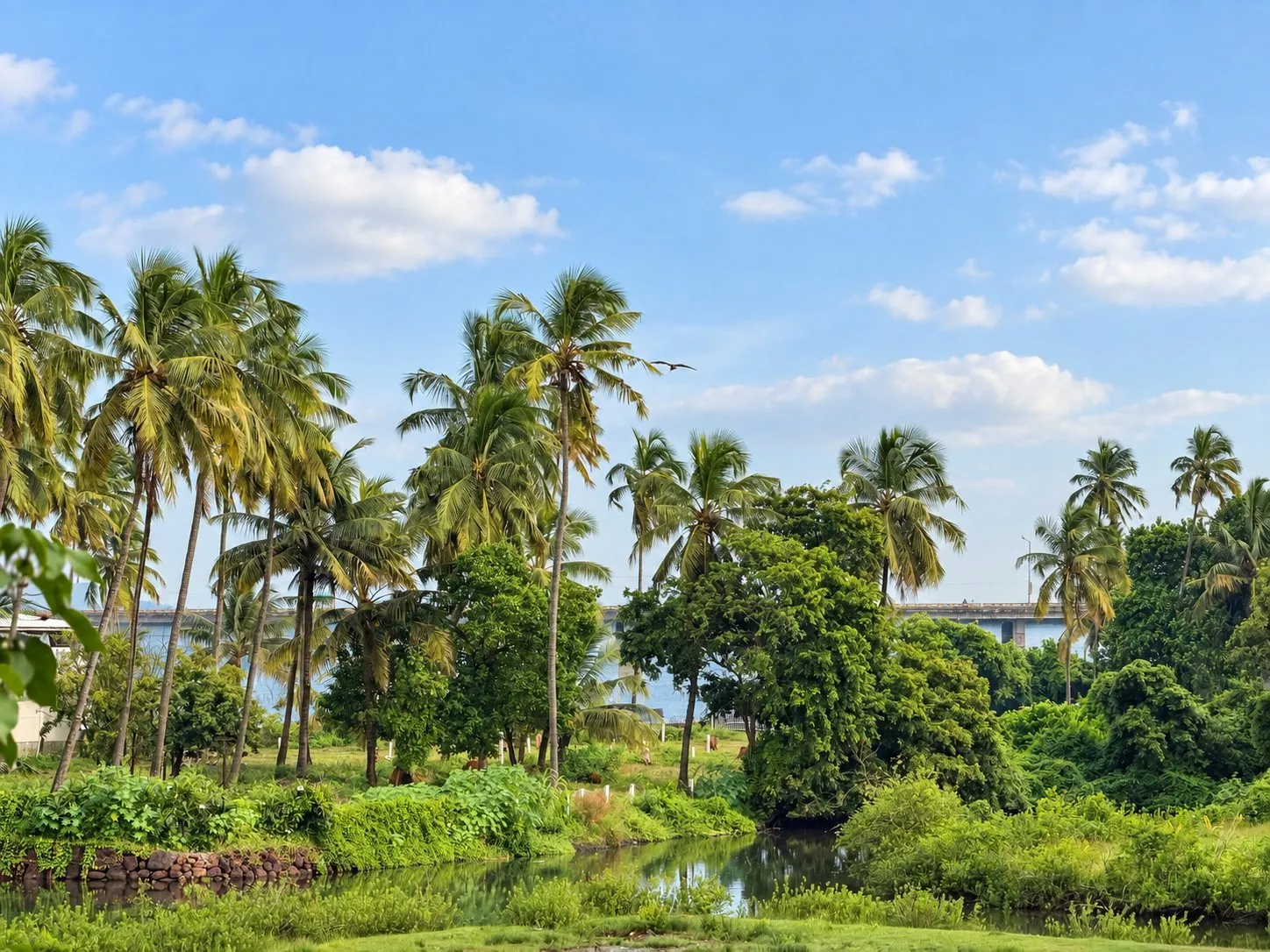
In Goa, that's why we'd suggest a village like Siolim, on the Chapora river almost in the middle of North Goa. The quiet north coast is across the bridge and Anjuna and Vagator a short drive south, so the whole north is within reach and the evenings stay calm. It's also where Rivara, The House of Nivak's first home, stands.
| Time you have | How to use it |
|---|---|
| Three or four nights | Don't move. Two slow days and one day trip. |
| A week | Enough to find a routine: a café, a walk, a market day. |
| Two weeks | Room for longer day trips, and for doing very little. |
| A month | Time to work, cook, settle, and be known at the bakery. |
The shape of a slow day
A slow day isn't an empty one. In a warm place its shape follows the sun: out early while it's cool, a long lunch, an indoor afternoon, and out again for the last light. Plan one thing a day and treat the rest as a bonus.
A slow day in Siolim, in order
- EarlyWarm poi, Goan bread, from the poder, the village baker who cycles by with a horn, then a walk by the river while it's still.
- MorningThe day's one plan: a market, a church, a fort or a beach across the bridge.
- MiddayLunch where residents eat. In Goa, that's fish curry rice, with coconut and kokum.
- AfternoonIndoors, out of the strongest sun: a book, a nap, a little work.
- Last lightWherever the village gathers. In Siolim, under the bridge at dusk.
- EveningDinner nearby, and home early enough to enjoy the quiet.
For ready-made days that start from a Siolim base, see our Goa day plans.
Get around, and eat, the way residents do
How you move changes what you see. Walk when it's cool, take the bus when you can, hire a scooter only if you're confident on busy roads, and keep taxis for evenings out and the airport. More in our guide to getting around Goa.
Eat the same way: breakfast as the neighbourhood has it (in Goa, perhaps bhaji pão, vegetables with bread), lunch where residents have theirs, and whatever is in season, from the cashew season in April to mangoes in May. UPI works almost everywhere; keep some cash for markets and small shops.
Plan around the weather, not the holidays
Most trips start from a holiday and take whatever weather it brings. Slow trips work the other way round: choose the season, then find the time. Hills, backwaters and coasts each keep their own calendar, so look up your base's weather month by month before you pick dates.
| Months | What it's like | For a slow trip |
|---|---|---|
| October to November | The season opens; shacks return, turtles begin nesting | Dry, before the busiest weeks |
| December to January | The peak: clear skies, cool evenings, Christmas and New Year | Book early, dinner tables too |
| February to March | Warm and easy, with Carnival and Shigmo | Easy days after the peak |
| April to May | Hot and quiet: the cashew season, then mangoes | Out early and late |
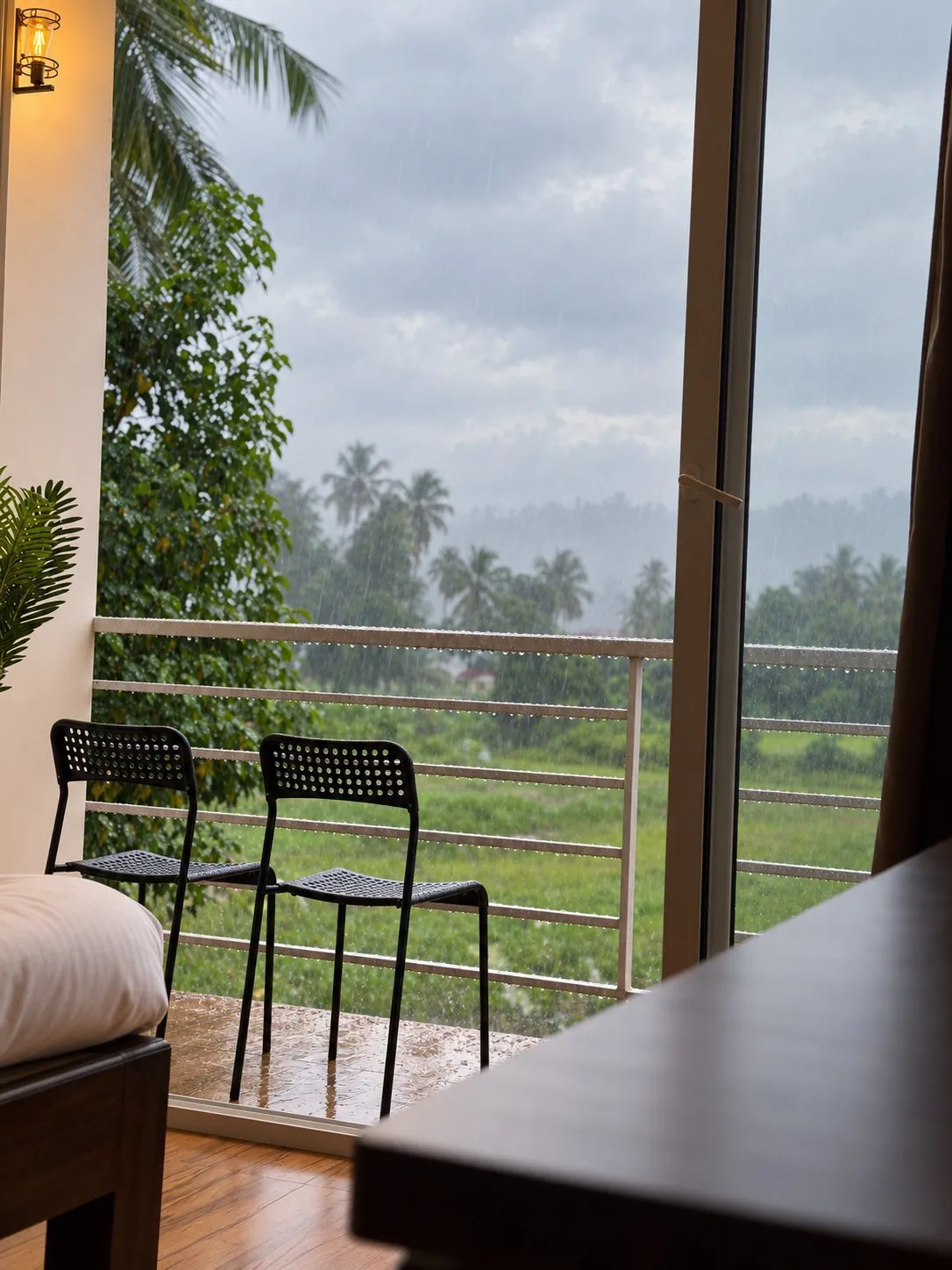
| June to September | The monsoon: deep greens, full waterfalls, São João on 24 June | Beaches for walking, not swimming |
The whole year is in when to go to Goa, and if the rains tempt you, read Goa in the monsoon.
Working while you travel
A slow trip can be a working one too, if the base is set up for it. Check four things before you book:
- A real desk and chair, not a dining table, ideally by a window.
- Wi-Fi with a stated speed, and a mobile hotspot of your own as a backup.
- Power backup: ask whether there is any, and what it runs.
- A kitchen and a washing machine, if you're staying more than a week.
Then give work set hours and keep the best light for being outside. Our checklist for working from a holiday home covers calls, time zones and the rest.
Being a good guest in a village
Stay longer and you become less a visitor than a temporary neighbour. The courtesies are simple:
- Dress for churches and temples: cover shoulders and knees, take your shoes off at temples, and ask before photographing inside.
- Ask before photographing people, especially in villages and markets. Old houses are homes, not museums: admire them from the lane.
- Keep evenings quiet. A village isn't a beach strip, and the neighbours are close.
- Leave things as you found them: sort your waste, switch things off when you go out, and leave the sand at the beach. On Goa's beaches, littering and drinking or cooking in the open can attract fines.
- Buy locally and learn to say thank you. In Konkani it's dev borem korum, literally “may God do you good”.
- Ride slowly in the lanes, and watch for cattle and dogs.
What to pack for a slow trip
Pack for living rather than sightseeing: fewer outfits, and more of the small things that make a temporary home work.
- Light, loose cotton, and something that covers shoulders and knees.
- A light rain jacket for the monsoon, and sunscreen and a hat for the rest of the year: the midday sun is strong.
- A torch or headlamp for dark lanes.
- A refillable bottle. Ask your host how drinking water works, and refill rather than buy.
- Your driving licence, if you'll ride a scooter.
Questions people ask
Slow travel is choosing one place and staying long enough to live a little of its life, instead of moving on every night or two. In practice it means one base, a week or more if you can, one plan a day and time for the neighbourhood.
Places with a life of their own beyond the sights: river and coastal villages, hill towns, backwater villages and the old quarters of small cities. In Goa, a village base like Siolim works well, with the north's beaches within reach and quiet evenings at home.
It depends on the trip you want. October to May is the dry season, with December and January the busiest; the monsoon, June to September, is green, wet and quiet. For warm, easy weather after the peak, look at February and March.
Yes, if the base is set up for it: a real desk, Wi-Fi with a stated speed, a backup connection and a clear answer on power backup. Keep work to set hours so the place still gets your best light.
Sources and checks
- The House of Nivak guest guide (facts checked 27 Sep 2026)
- The House of Nivak: Rivara's listing facts
Opening days, prices and seasonal rules change. We check them before every update; please confirm anything time-sensitive before you go.