Six ways to spend a day in Goa, and how to string them together
Goa rewards a loose plan. Six shapes for a day, each with the timings that matter, and two ways to string them together from a base in the north.
On this page
In short
- Three days covers the north well: a slow day in Siolim, a day of history in Old Goa and Panjim, and a day on the quiet beaches across the Siolim bridge.
- Five days adds the two long days: spices and waterfalls inland, and the old houses and Cabo de Rama in the south.
- Start the long days early. Old Goa's churches are best before 11 AM, Dudhsagar's jeeps are capped daily, and Cabo de Rama's gates close at 5:30 PM.
- Plan evenings around the light: in Siolim the sun sets around 6:00 PM in mid-November and around 6:55 PM in mid-May.
- In the monsoon, June to September, swap the beach day for a green day in the hills. Swimming at waterfalls, rivers and lakes is banned for about 60 days from late June.
Three to five days is the right length for a first trip to Goa from a base in the north: three for the north and a day of history, five to add the hills and the far south without rushing. With a week, you can slow down, repeat the days you liked and leave room for rain.
Below are six day plans, each with the timings that matter and the order that makes it work, then two ways to string them together. They start from Siolim, in the middle of North Goa, where Rivara sits on the Chapora, but they work from anywhere in the north.
A slow Siolim day
The first day, or the day after a long one. Siolim is a lived-in village on the south bank of the Chapora, and the point of this day is not to go far. There's more on the village in our Siolim guide.
A slow Siolim day, in order
- MorningWarm poi, Goan bread, from the poder, the village baker who cycles by with a horn.
- The riverA walk along the Chapora while it is still and soft.
- MiddaySt. Anthony's Church and the lanes of Indo-Portuguese houses, then lunch in the village.
- AfternoonA slow one. Or cross the bridge to Morjim or Ashwem for the sea.
- SunsetUnder the Siolim bridge, where locals gather at dusk, or along the Vaddy road to the old ferry point, now used only by fishermen.
- EveningDinner by the river at Thalassa, Fireback or Hosa. Book a 5:30 PM table for the light.
The quiet beaches of the north coast
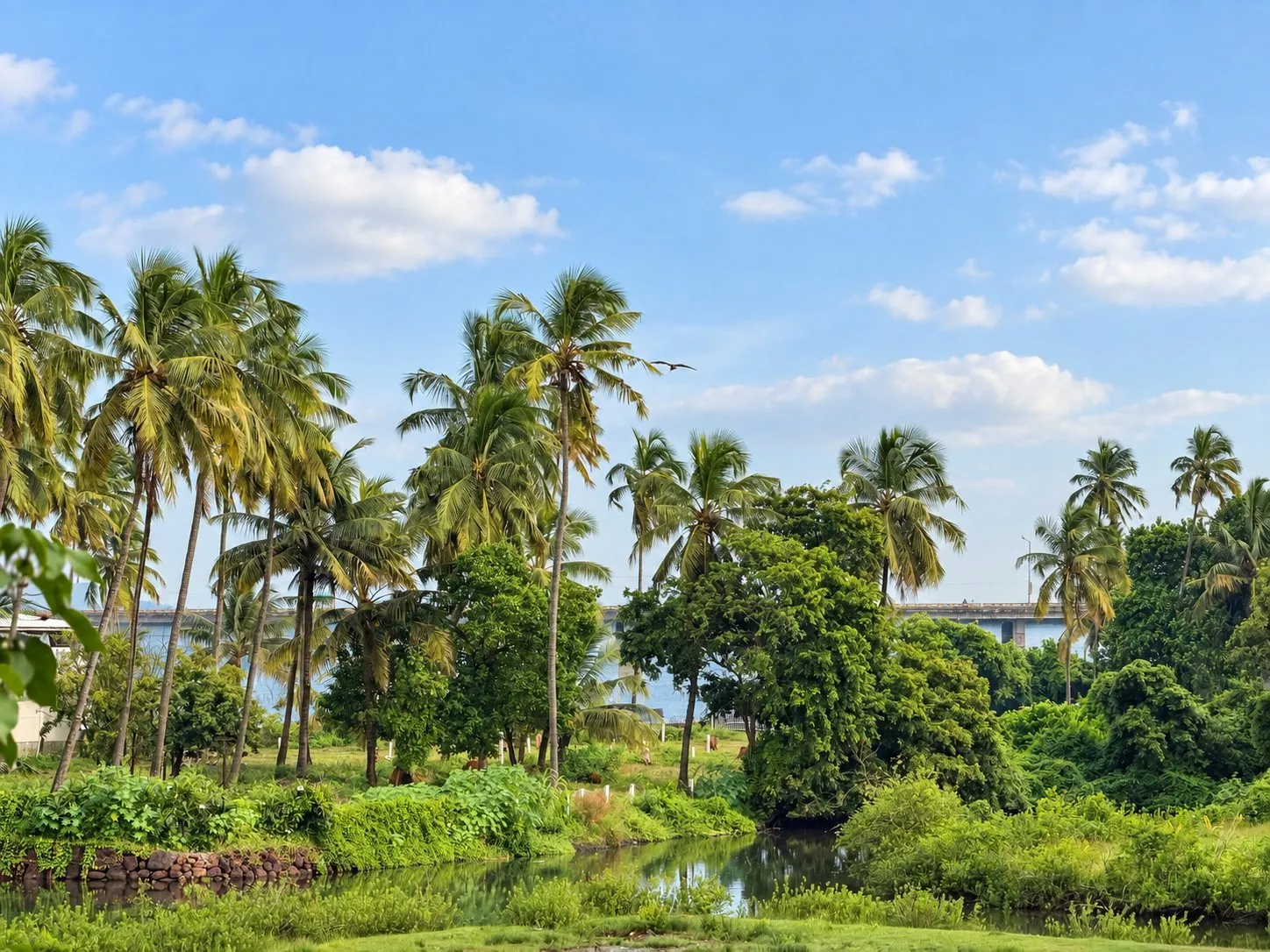
Across the Siolim bridge the north coast begins: Morjim, Ashwem, Mandrem and Arambol, wide and calm in season, with river lagoons, soft sand and relaxed beach cafés.
The quiet beaches, in order
- MorningCross the Siolim bridge to Morjim or Ashwem. Olive ridley turtles nest on Morjim in the cooler months.
- LunchA café in Mandrem, where the beach is wide, calm and quiet.
- AfternoonA swim between the lifeguards' flags in season, or a book on the sand.
- SunsetThe drum circle on the beach at Arambol.
- EveningDinner at La Plage, between Ashwem and Morjim, from November to February. It is closed on Wednesdays; try the chocolate thali.
Early risers can start at Sweet Water Lake instead, the spring-fed lake behind the sea at Arambol's northern end: a 20-minute walk over the rocks, best before 9 AM, November to April. The whole coast is in Goa's beaches, north to south.
Old Goa and Panjim
A day of history, and the one that needs the earliest start: Old Goa's churches are best before 11 AM, and Panjim is small enough to walk once the heat eases.
Old Goa and Panjim, in order
- EarlyThe Basilica of Bom Jesus, with the relics of St. Francis Xavier, and the Sé Cathedral across the green square. Cover shoulders and knees.
- Late morningThe ruined St. Augustine Tower, then into Panjim.
- LunchA fish thali at Ritz Classic, or Goan home recipes at Mum's Kitchen.
- AfternoonFontainhas on foot: pastel lanes, tiled street names and hillside steps.
- DuskThe Mandovi promenade, or a sunset cruise from about 5:30 PM.
- EveningDinner at Viva Panjim in Fontainhas, then a kokum feni at Joseph Bar.
Early risers can flip the start: Fontainhas at first light, 6:30 to 8:30 AM, then Old Goa, upriver, before 11. More in Panjim and Fontainhas and Old Goa, the islands and Ponda.
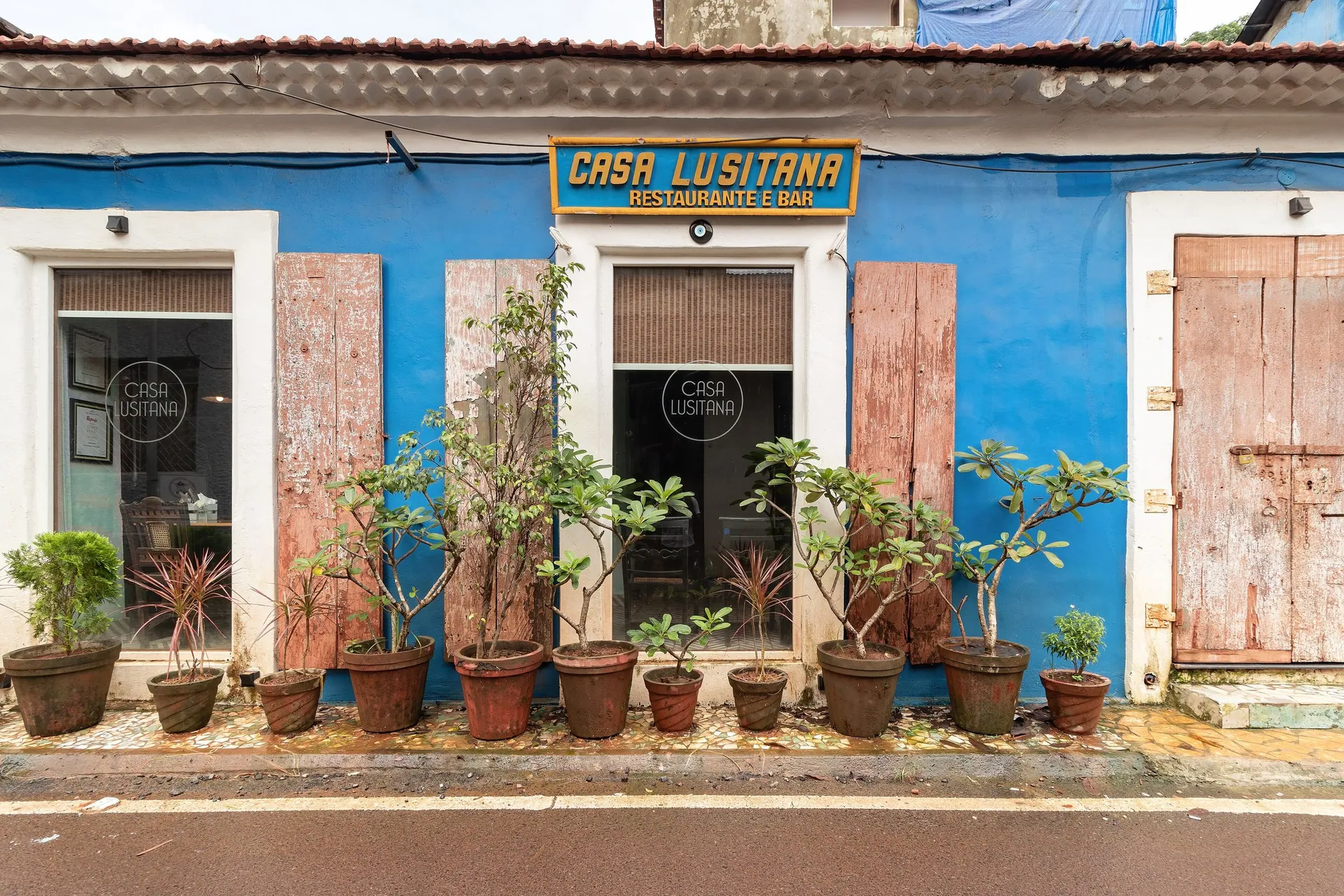
Spices and waterfalls
The inland day: a spice farm, a temple and the forest. It is a long day from the coast, so leave early.
Spices and waterfalls, in order
- EarlyLeave early for Ponda.
- Late morningA spice farm walk, then a Goan buffet lunch. Tropical Spice Plantation in Keri is open 9 AM to 4 PM daily.
- AfternoonMangueshi Temple, with its tall lamp tower. Remove your shoes and dress modestly.
- Late afternoonOn into the forest to Tambdi Surla, a Kadamba-era temple in dark basalt, the oldest in Goa.
The falls, the forest and the monsoon rules are in Dudhsagar and the Western Ghats.
Houses and bays: a long day south
The longest day on the list, and one of the loveliest. Start early, or stay a night near Palolem or Agonda, which makes the south far easier.
Houses and bays, in order
- 9 AMLoutolim's old houses, and the Ancestral Goa open-air museum, open from 9 AM.
- Late morningBraganza House in Chandor, still lived in by its families. Tours run from 10 AM.
- LunchMartin's Corner, a Betalbatim institution.
- AfternoonCabo de Rama, the clifftop fort. The gates close at 5:30 PM.
- SunsetFrom the open cliffs beside the fort.
The full day, with dinner on the way home and the coves worth a night, is in a long day south.
A green rainy day, for the monsoon
From June to September the beaches are for walking, not swimming, and the hinterland is at its most spectacular, with full waterfalls and deep green forest. This is the day for it.
A green rainy day, in order
- MorningChai at home while the rain comes through.
- Late morningThe drive up Chorla Ghat, a misty mountain road where Goa meets Karnataka and Maharashtra.
- AfternoonArvalem Falls, broad and full after the rains, beside rock-cut caves.
- EveningA Goan curry and a quiet evening.
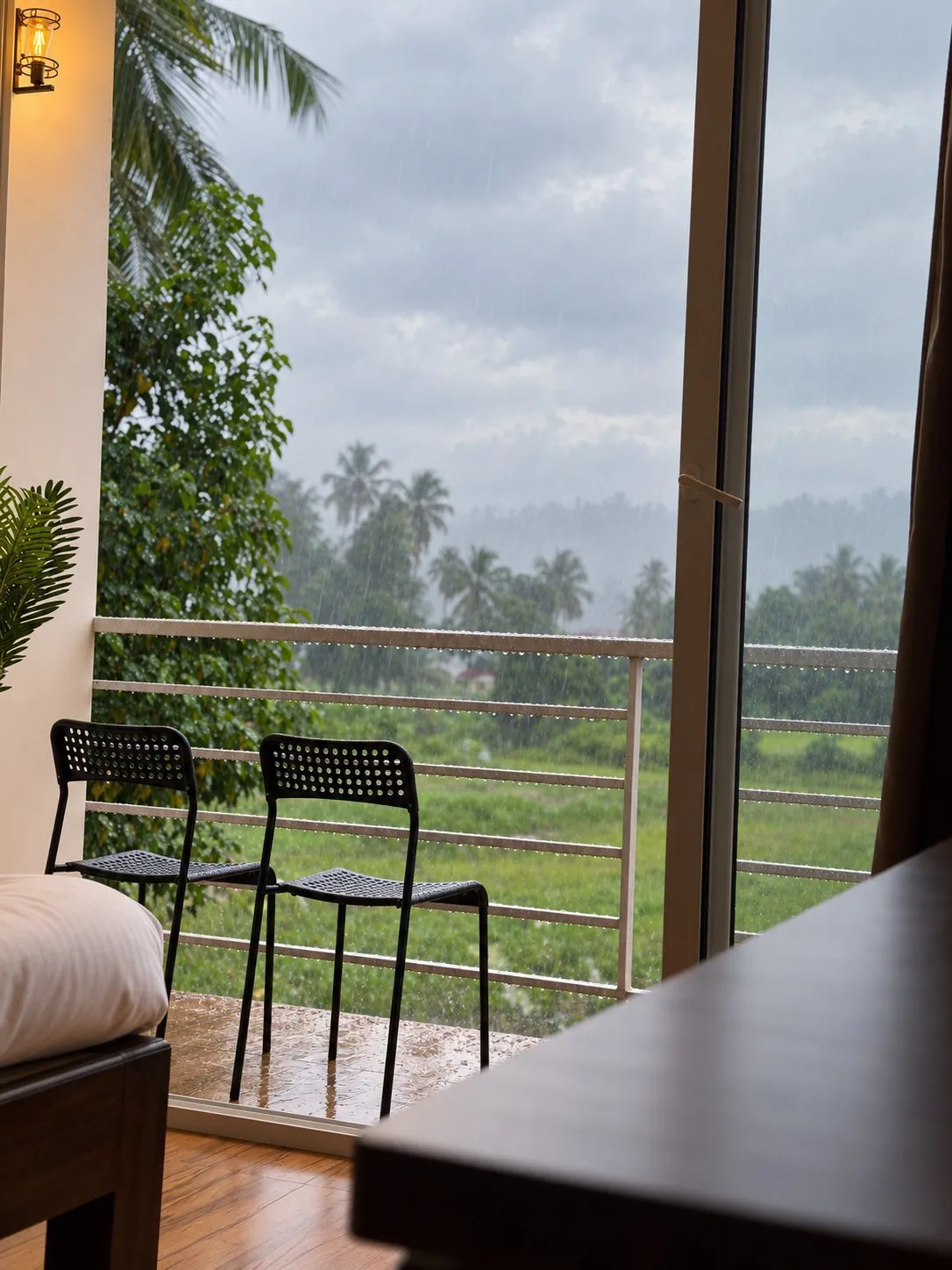
More for the rainy months is in Goa in the monsoon.
How many days? A three-day and a five-day plan
Start slow, and put an easy day between the long ones: the hills and the south are both long days from Siolim. From a North Goa base, these are the two shapes we'd suggest.
| Day | Plan | Why here |
|---|---|---|
| Day 1 | A slow Siolim day | Arrive, settle in, and meet the river at sunset |
| Day 2 | Old Goa and Panjim | Churches early, then Fontainhas and the Mandovi at dusk |
| Day 3 | The quiet beaches | An easy last day, just across the Siolim bridge |
| Day | Plan | Why here |
|---|---|---|
| Day 1 | A slow Siolim day | An easy first day close to home |
| Day 2 | Spices and waterfalls | The first long day, while you're fresh; Dudhsagar only from about late October to May |
| Day 3 | The quiet beaches | An easy day between the two long ones |
| Day 4 | Houses and bays | The longest day; or go south and stay a night |
| Day 5 | Old Goa and Panjim | History, food and the Mandovi at dusk, a shorter drive than the hills or the south |
- With a week, add a day in Anjuna and Vagator for the red cliffs, the cafés and the Wednesday flea market in season, a long lunch in Assagao, and a night near Palolem or Agonda. See North Goa beyond the beaches.
- In the monsoon, keep the Siolim day and Old Goa and Panjim, swap the beach day for the green rainy day, and leave out Dudhsagar, whose jeeps don't run until about late October.
- If a Friday falls in your stay, start that day at Mapusa market, at its liveliest on Fridays.
Timing it: sunsets, market days and closed days
Two things shape a Goa day more than any map: when the sun sets, and which day of the week it is. Book sunset tables a little before the times below, and check the weekly rhythm before you fix your plans.
| Month | Sunset |
|---|---|
| October | 6:15 PM |
| November | 6:00 PM |
| December | 6:05 PM |
| January | 6:20 PM |
| February | 6:40 PM |
| March | 6:45 PM |
| April | 6:50 PM |
| May | 6:55 PM |
- Monday: the Museum of Goa in Pilerne is closed.
- Tuesday: Bar Outrigger in Dona Paula, Hideaway in Vagator and the bungee at Mayem Lake are closed.
- Wednesday: the Anjuna flea market, in season. Boilermaker in Siolim and La Plage in Ashwem are closed.
- Friday: Mapusa market at its liveliest.
- Saturday: Mackie's night bazaar by the Baga river, November to April. Confirm it is on that week.
The markets themselves are in our guide to Goa's markets.
Questions people ask
Three days is enough for a first taste of the north: a slow village day, the quiet beaches and a day of history in Old Goa and Panjim. Five lets you add the hills and the far south without rushing, and a week lets you slow down.
Spend one slow day in a village such as Siolim, one in Old Goa and Panjim for the churches, Fontainhas and the Mandovi at dusk, and one on the quiet beaches across the Siolim bridge, from Morjim to Arambol.
Yes. From a North Goa base, the south is one long day: Loutolim, Braganza House in Chandor, lunch in Betalbatim and sunset at Cabo de Rama. For Palolem, Agonda and the coves, stay a night in the south.
Start slow near your base, and put an easy day between the two long ones, to the hills and to the south. Check the week first: Mapusa market is liveliest on Fridays, and the Anjuna flea market is on Wednesdays in season.
Yes, for the green, if you plan for it. The sea is closed for swimming, and swimming at waterfalls, rivers and lakes is banned for about 60 days from late June, but the hills are at their fullest, and São João fills Siolim's river on 24 June.
Not necessarily. Uber and Ola don't operate in Goa, so book taxis on GoaMiles, hire a scooter if you ride, or rent a car, and buses link the towns at low fares. Never ride after drinks.
Sources and checks
- The House of Nivak guest guide (facts checked 27 Sep 2026)
- Goa Tourism (GTDC): Ancestral Goa
- LetsGoa: Menezes Braganza heritage house tour
Opening days, prices and seasonal rules change. We check them before every update; please confirm anything time-sensitive before you go.